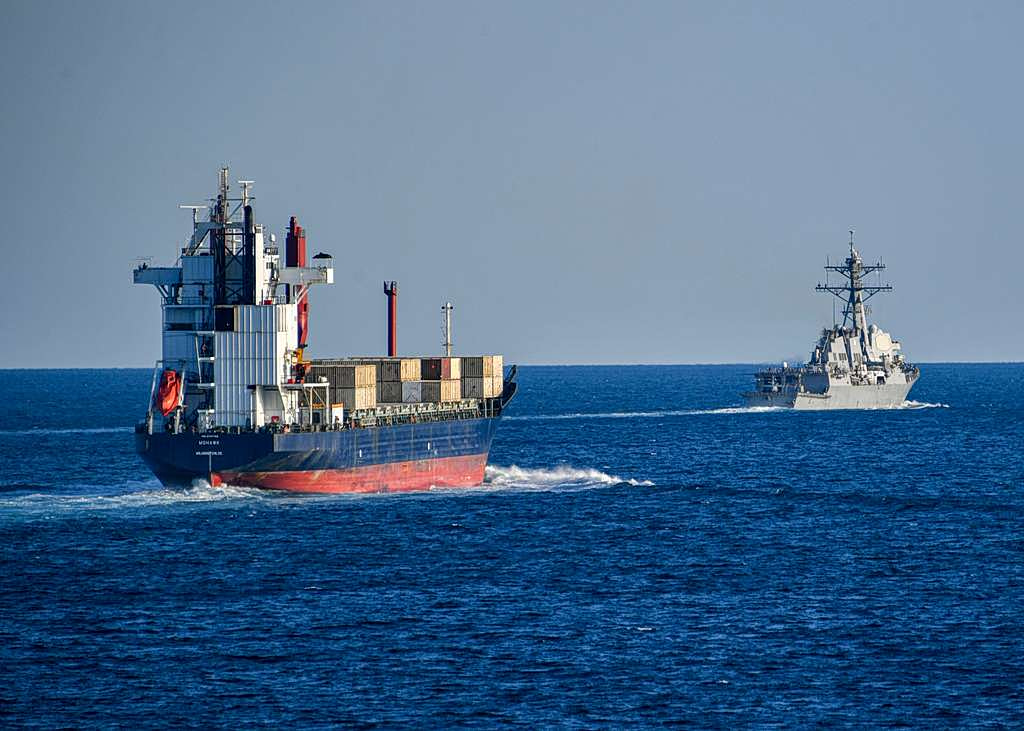
Iran has begun quietly charging up to $2 million per voyage on select commercial vessels passing through the Strait of Hormuz, tightening its grip on one of the world’s most critical energy corridors.
Payments reportedly reaching as much as $2 million per voyage are being requested on an ad hoc basis, effectively creating an informal toll. According to sources familiar with the arrangement, some ships have already paid, though the process remains opaque, including the currency used, and appears far from systematic.
The move underscores Tehran’s influence over the strait, a narrow passage through which roughly a fifth of the world’s oil and gas flows each day, alongside vast shipments of food, metals and other goods. Now in its fourth week, the ongoing conflict in the Middle East has heightened the urgency for many nations to keep energy supplies moving at almost any cost.
These payments are being handled discreetly, with little transparency and growing uncertainty over which vessels may be targeted next. The result is a fresh layer of tension in an already fragile shipping route. Traffic through Hormuz has slowed to a trickle, largely limited to Iranian-linked vessels, while a handful of others appear to be hugging Iran’s coastline to navigate the passage.
India, which recently secured the exit of four liquefied petroleum gas carriers from the Persian Gulf, pushed back against the development, insisting that international law guarantees free navigation through the strait and prohibits any such fees.
Iran’s foreign ministry has yet to comment, as communications remain restricted under state-imposed controls.
Although the current charges are being imposed case by case, there are indications Tehran may seek to formalise them. One source suggested the idea could form part of a broader post-war settlement, while an Iranian lawmaker last week confirmed that parliament is considering legislation requiring nations to pay for safe passage through Hormuz.
For Gulf Arab producers, even an unofficial toll is a red line. Beyond the immediate financial burden, it raises deeper concerns over sovereignty, the precedent it sets, and the risk of a vital global trade artery being turned into a geopolitical weapon.