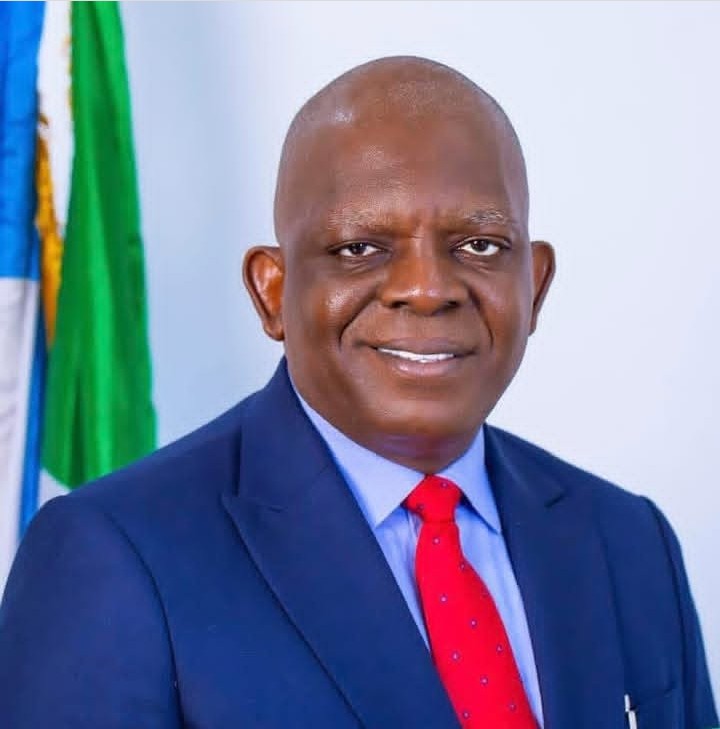
The Executive Secretary and CEO of the Nigerian Shippers’ Council, Dr. Pius Akutah, has warned that Nigeria’s maritime sector cannot afford a standoff at this critical time, calling on freight forwarders and shipping companies to urgently find common ground over the newly approved tariff review.
He stressed that as the nation’s port economic regulator, the Council is duty-bound to safeguard the interests of both consumers and service providers, urging all parties to prioritise dialogue over discord.
Akutah explained that the Council’s decision to approve a 30 per cent tariff increase was carefully calibrated to strike a balance between sustaining shipping operations and protecting the wider economy from excessive strain. He appealed to stakeholders to quickly conclude negotiations, noting that prolonged disagreement could disrupt port activities and undermine confidence in the sector.
Speaking on Tuesday at the Council’s headquarters in Lagos during a stakeholders’ forum that brought together shipping companies, freight forwarders, importers and exporters, Akutah said the earlier suspension of the tariff implementation in March 2026 was intentional, designed to create space for wider consultations across the maritime value chain. He maintained that the new rates would only take effect after meaningful engagement with all affected parties.
He reassured stakeholders that the approved increase represents a ceiling rather than a fixed imposition, explaining that shipping companies could adopt lower increments such as 10 or 20 per cent depending on the outcome of their discussions. According to him, the phased approach would prevent any sudden shock to the economy, especially as some operators have already begun consultations.
Dr. Akutah revealed that initial tensions surrounding the tariff hike were partly fuelled by the actions of a shipping agency chief executive, which provoked strong reactions from freight forwarders. He noted, however, that such disagreements should not derail the broader objective of maintaining a stable and efficient maritime system.
He further disclosed that shipping companies had originally proposed steep increases ranging from 150 to 200 per cent, but the Council intervened to moderate the figure to 30 per cent in view of prevailing economic realities, including rising operational costs and wage adjustments within the sector. While shipping agencies argued the approved rate was too low, Akutah insisted it was sufficient to ensure sustainability without overburdening businesses and consumers.
Stakeholders at the forum largely agreed on the necessity of a tariff adjustment but criticised the process leading up to the proposal. Jamilu Umar, President of the National Shippers’ Association of Nigeria, said the issue was not the increase itself but the need for proper consultation and inclusion of all parties in decision-making. The Manufacturers Association of Nigeria echoed similar concerns, urging that shipping companies be compelled to engage stakeholders before implementing any changes.
On the part of operators, Boma Alabi, President of the Shipping Association of Nigeria, attributed the tariff review to harsh economic conditions, noting that the approved rate fell below industry expectations.
She pointed out that operators are grappling with rising costs, including a new minimum wage benchmark of ₦200,000 within the subsector, and called for continued collaboration to build a more competitive and resilient maritime industry.