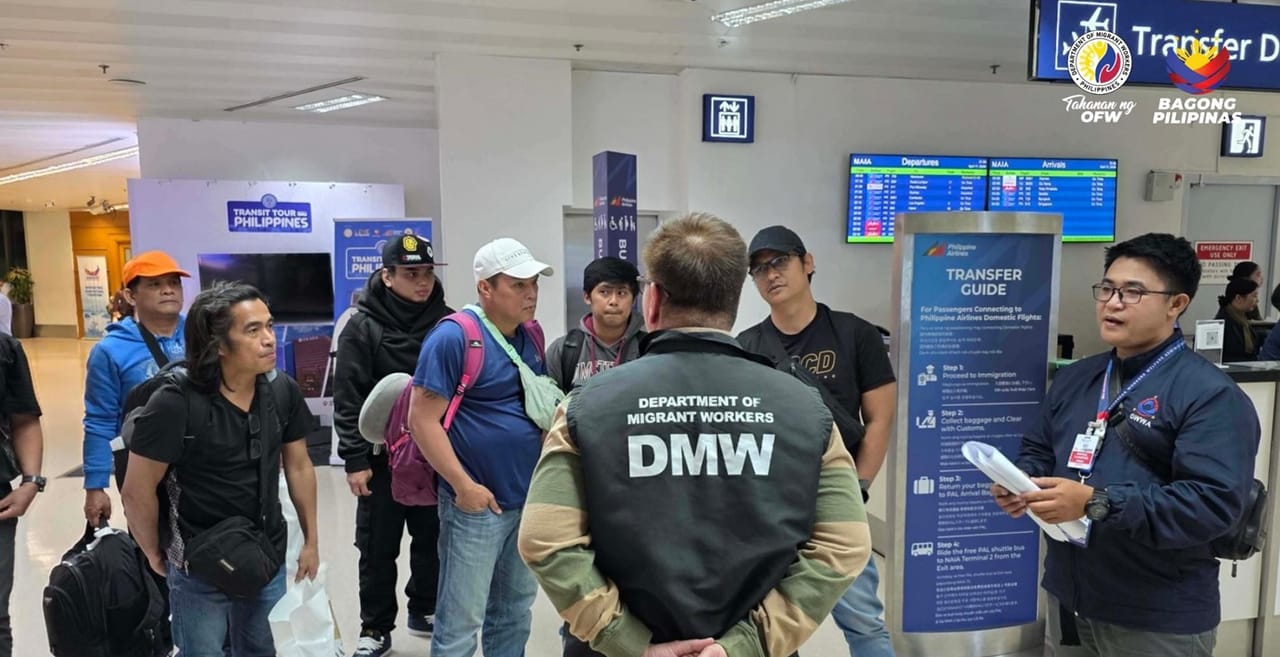
Thirty-six Filipino seafarers safely navigated out of the Strait of Hormuz last week, marking the latest successful passage through one of the world’s most volatile maritime chokepoints as tensions in the Middle East continue to disrupt commercial shipping.
Their safe passage brings the total number of Filipino seafarers who have exited the Arabian Gulf to nearly 1,200 since hostilities between the United States, Israel and Iran escalated on 28 February, triggering severe disruptions and effectively closing the strategic waterway to most commercial traffic.
The Philippines’ Department of Migrant Workers (DMW) confirmed that the seafarers were aboard the Liberian-flagged bulker Omicron Nikos and the Russian-flagged superyacht Nord, both of which completed the high-risk transit over the weekend.
Vessel tracking data shows that Omicron Nikos passed through the Strait on 24 April and is now positioned near Khor Fakkan in the United Arab Emirates, while Nord made its crossing a day later on 25 April and has since arrived in Muscat, Oman.
Authorities did not specify how the 36 Filipino crew members were distributed between the two vessels.
The Strait briefly reopened between 17 and 18 April following a temporary easing of tensions, allowing a narrow window for maritime movement. During that period, around 800 Filipino seafarers were evacuated aboard five cruise ships that successfully transited the corridor before restrictions tightened once again.
The DMW said it remains on high alert as the situation evolves, working closely with manning agencies and shipowners to safeguard its nationals at sea.
“We continue to closely monitor vessel movements in the region and maintain constant coordination with our partners to ensure the safety and welfare of Filipino seafarers,” the department said. “We are also in regular communication with affected crew members and their families as we navigate this challenging situation.”
The Strait of Hormuz, a critical artery for global energy and trade flows, has become increasingly perilous in recent weeks, placing thousands of seafarers at heightened risk and forcing shipping operators to reassess routes and operations in the Gulf.