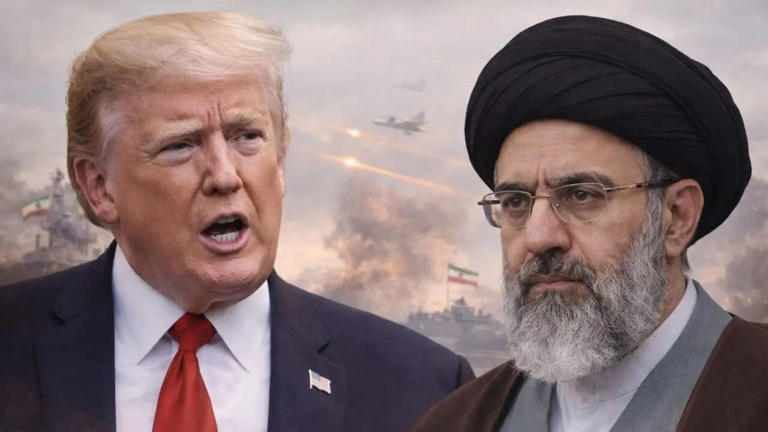
The United States and Iran are edging closer to a major diplomatic breakthrough after details emerged of a draft preliminary agreement aimed at reopening the Strait of Hormuz, easing sanctions on Tehran and extending a fragile ceasefire between both sides.
Sources familiar with the negotiations said the proposed framework centres on a renewable 60-day ceasefire designed to create room for broader talks on Iran’s nuclear programme and regional security tensions.
At the heart of the draft deal is a plan to fully restore navigation through the Strait of Hormuz, one of the world’s most critical oil transit routes, following months of heightened instability and security fears in the Gulf.
Under the proposed arrangement, commercial vessels and oil tankers would once again enjoy unrestricted passage through the strategic waterway without additional transit charges or disruptions. Iran is also expected to remove mines and maritime obstructions while introducing new security measures aimed at guaranteeing safe and uninterrupted shipping operations.
The framework reportedly seeks to return maritime activity in the Strait to pre-crisis levels within 30 days of implementation, signalling a major step towards calming global energy markets and reducing regional tensions.
In return, Washington would begin rolling back some restrictions on Iranian ports and grant sanctions waivers enabling Tehran to resume oil exports and selected commercial operations. The agreement also outlines a phased easing of sanctions targeting Iran’s oil industry, tied to compliance benchmarks and international verification mechanisms.
As part of the confidence-building measures contained in the draft, portions of Iran’s frozen overseas assets would be released during the early stages of implementation, while negotiations continue over access to the remaining funds.
The proposed understanding further commits both sides to sustained negotiations over Iran’s nuclear activities, future monitoring arrangements and long-term obligations throughout the de-escalation process.
Regional security issues also feature prominently in the talks, with the framework including efforts to halt military operations across several flashpoints, including Lebanon, as part of a broader push to lower tensions across the Middle East.
Despite the apparent progress, negotiators are yet to resolve several contentious issues, including discussions surrounding the United States’ military presence near Iran and sensitive questions linked to Tehran’s sovereign rights in the Strait of Hormuz.