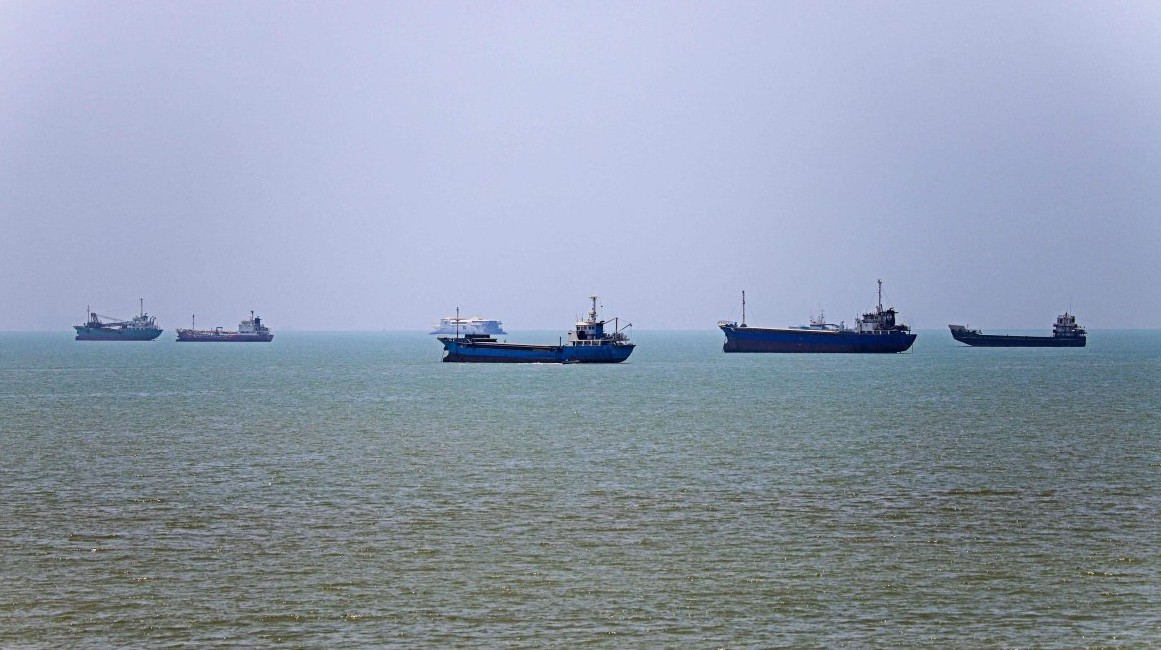
The Strait of Hormuz remains littered with around 80 mines along its historic shipping lanes, the International Maritime Organization (IMO) said on Friday, underscoring the daunting challenge of restoring normal traffic through one of the world’s most vital oil transit routes.
The conflict with Iran has forced the creation of two alternative shipping corridors through the strait. One hugs Oman’s coastline under US coordination, while the other passes closer to Iran under Tehran’s control.
The shift follows concerns that explosives have been deployed in the central Traffic Separation Scheme, the main shipping lane through the strategic waterway.
The presence of mines remains one of the biggest concerns for shipowners and crews transporting crude oil, liquefied natural gas and other cargoes from the Middle East to international markets.
Although an interim US-Iran peace agreement reached last week has raised hopes of restoring the original shipping route, authorities must first clear the explosives, a process widely expected to take several weeks.
Under the terms of the agreement, Iran is responsible for removing the mines. However, uncertainty persists over the progress of the operation, with Tehran issuing conflicting statements over whether vessels can transit freely or require prior authorisation.
The risks remain evident. One vessel was attacked along the Omani shipping route on Thursday, while several others turned back rather than continue through the strait. The incident prompted the IMO to suspend plans to evacuate commercial vessels that have been stranded inside the Persian Gulf for months.
Despite the lingering security concerns, the ceasefire has helped regional exports recover to about 80 per cent of pre-conflict levels in recent days, with more tankers seen loading and transporting cargoes from the Persian Gulf on Friday.
Intertanko, the leading global association representing tanker owners, has renewed its advice for members to postpone voyages through the Strait of Hormuz “until the situation is clearer”, describing the Iranian-controlled route as “a cause for concern”.
“There are issues and ambiguities that need to be addressed in any follow-up measures to ensure safe navigation,” said Intertanko’s Marine Director, Phillip Belcher.
Last week, Pakistan, which is responsible for coordinating navigational warnings in the area, reported detecting a mine near Oman’s coastline, although the US Navy has previously maintained that the southern shipping route is free of explosive devices.
Earlier this month, the United Kingdom and France drew up plans to lead a multinational mine-clearing operation aimed at reopening the Strait of Hormuz to safe and unrestricted commercial navigation.