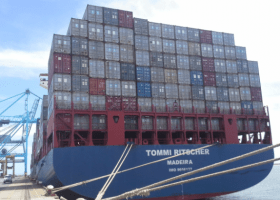
The International Maritime Organization (IMO) has called for stronger protections for merchant ships and their crews as escalating attacks across the Middle East, Red Sea and Black Sea expose seafarers to mounting danger and threaten vital global shipping routes.
The warning came after the IMO Council’s 138th session in London last week, where member states considered a growing range of maritime security threats, including the conflict involving Iran, Houthi attacks in the Red Sea and Russian strikes on commercial shipping and port infrastructure in Ukraine.
The IMO’s latest figures paint a grim picture. At least 130 incidents involving commercial vessels have been confirmed in the Middle East since the conflict began, with 25 seafarers reported killed.
The latest fatality was recorded aboard the tanker Velos Sapphire, which came under attack last week. Thousands of other seafarers remain in danger, including crews stranded aboard vessels unable to leave the Persian Gulf.
“Seafarers continue to lose their lives, suffer serious injuries, face abandonment, are denied repatriation and are deprived of basic human necessities, including water, food and medical care, resulting from the ongoing geopolitical conflicts,” IMO Secretary-General Arsenio Dominguez said.
The Council reaffirmed that international shipping lanes must remain open, safe and secure, insisting that seafarers must not become casualties of geopolitical disputes beyond their control.
It urged member states to avoid unlawful actions that could put commercial shipping at risk and called for stronger measures to prevent further loss of life.
Dominguez pledged to explore additional steps the IMO could take to protect crews and address the worsening humanitarian consequences of the conflicts.
The security concerns, however, stretch far beyond the Strait of Hormuz. The Council strongly condemned Houthi attacks on merchant vessels and their crews in the Red Sea and Bab al-Mandab Strait, as well as Russian strikes on commercial ships, seafarers, ports and maritime safety infrastructure supporting Ukraine’s Black Sea shipping corridor.
It also sounded the alarm over a resurgence of piracy and armed robbery in the Western Indian Ocean and Gulf of Aden, where 17 attempted or actual incidents have been recorded since the beginning of 2026.
The Council directed Dominguez to continue monitoring developments across the affected regions and keep member states updated.
Against this backdrop of mounting maritime insecurity, the Council also endorsed Dominguez for a second four-year term, potentially extending his leadership until December 2031. The decision is subject to approval by the IMO Assembly in 2027.
In other decisions, the Council approved initial funding of £2 million to modernise the IMO’s Global Integrated Shipping Information System and develop an e-learning platform. It also selected China’s Yu Jiajia as the recipient of the 2027 IMO Gender Equality Award.
The latest decisions highlight the growing burden on the UN maritime agency as attacks on commercial shipping intensify across multiple regions. With seafarers increasingly caught in the crossfire of geopolitical conflicts, the IMO faces mounting pressure to turn calls for protection into concrete action before more lives are lost.