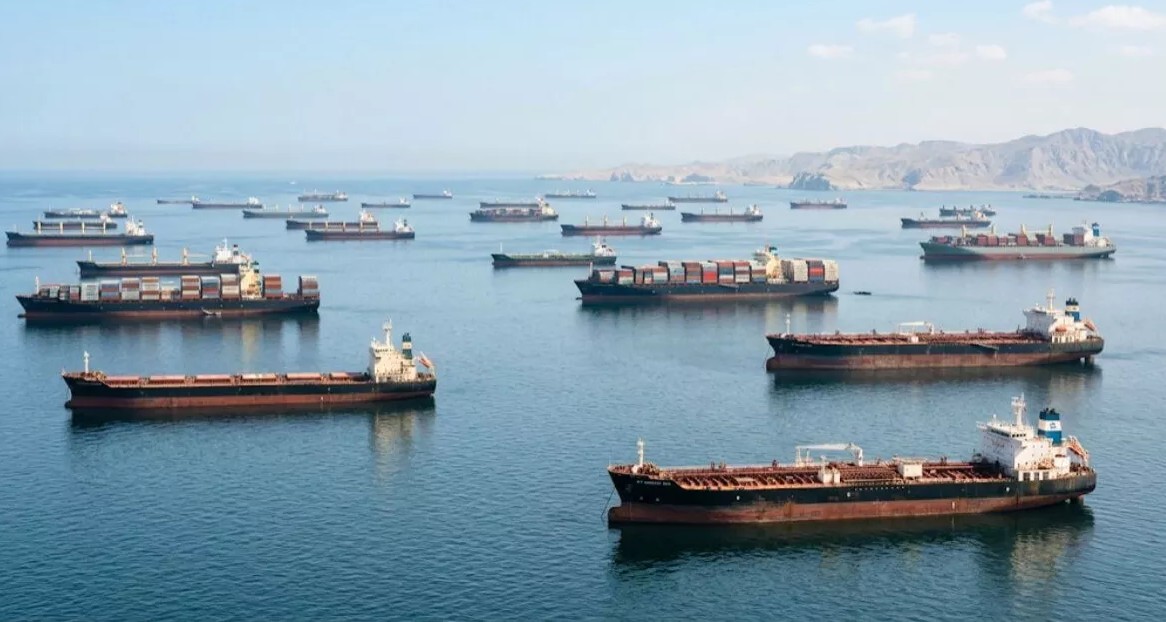
The International Chamber of Shipping (ICS) and the International Transport Workers’ Federation (ITF) have held urgent high-level talks with Gulf State representatives as the deepening crisis in the Strait of Hormuz enters its fifth week, leaving thousands of seafarers stranded in perilous conditions.
The meeting, convened under the framework of the International Maritime Organization (IMO), reflects growing alarm over the humanitarian and operational fallout in one of the world’s most critical shipping lanes. Ships have come under attack, supply chains have been disrupted, and an estimated 20,000 seafarers remain unable to safely exit the Gulf.
At the heart of the discussions were immediate, practical steps to stabilise conditions for crews still trapped at sea. Proposals included the creation of an IMO-linked reporting system for urgent resupply needs, faster crew rotations, and safe disembarkation for seafarers requiring medical attention.
ICS Secretary General Thomas Kazakos described the talks as constructive and timely, underscoring the need for coordinated global action to protect seafarers while keeping trade moving. ITF General Secretary Stephen Cotton, however, delivered a stark warning, stressing that crews are operating under extreme pressure in what has effectively become a conflict zone. He insisted that access to food, water, fuel and medical care are fundamental rights, not optional provisions, and that no seafarer should be compelled to remain in danger against their will.
Representatives from Gulf States, including the UAE, Saudi Arabia, Oman, Bahrain and Qatar, signalled readiness to scale up logistical support. This could include assistance for vessels unable to leave the region and greater flexibility on crew changes. Authorities are also considering emergency measures similar to those deployed during the COVID-19 pandemic, particularly where contracts or medical certifications lapse.
Significantly, officials reaffirmed backing for ongoing efforts at the IMO to establish a safe maritime corridor to enable vessels to exit the region and restore navigation through the Strait of Hormuz. The proposal is gaining urgency as attacks on commercial shipping persist and traffic through the strategic chokepoint remains heavily restricted.
The talks represent one of the clearest signs yet of coordinated international and regional action to address the escalating crisis, even as broader security tensions in the Gulf show no immediate signs of easing.