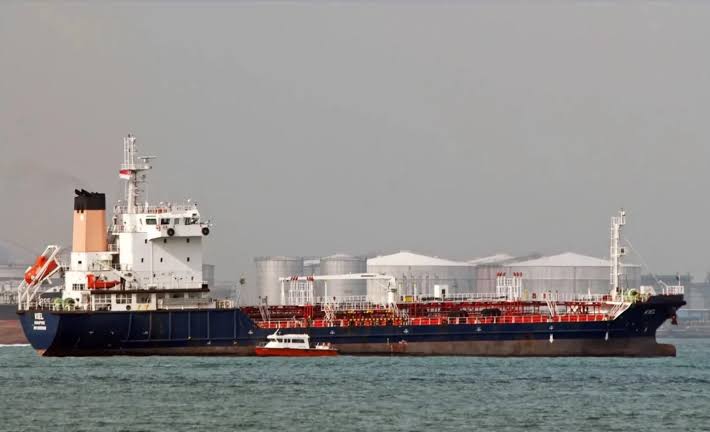
India has taken a decisive step against illicit oil trading after the Indian Coast Guard seized three tankers it said were involved in international oil smuggling, marking the country’s first major action against the so-called dark fleet.
The vessels were intercepted in waters off Mumbai on Friday. In a statement posted on X, the coast guard said it had “busted an international oil-smuggling racket”, adding that the ships were known for frequently changing their identities, a common tactic used to evade sanctions and tracking.
Industry sources familiar with Indian shipping described the move as unprecedented, signalling a tougher stance by New Delhi as the United States and Europe intensify efforts to clamp down on vessels transporting sanctioned oil.
Dark fleet tankers are often associated with sub-standard documentation, improper or falsified flag registrations and poor maintenance, all of which pose serious maritime safety and security risks.
The seizures come amid mounting pressure from Washington on New Delhi to curtail imports of Russian crude as part of broader trade negotiations aimed at reducing tariffs on Indian exports. India had stated early last year that it would not permit sanctioned tankers to discharge cargo at its ports, a policy that now appears to be taking firmer shape.
While the coast guard did not officially name the seized vessels, it released photographs that matched images of the tankers Chiltern, Asphalt Star and Stellar Ruby previously recorded on MarineTraffic, a ship-tracking intelligence platform. TankerTracker.com later confirmed the identities of the vessels using their unique seven-digit International Maritime Organization numbers.
All three tankers were sanctioned by the United States last year for alleged links to the Iranian oil trade. Efforts to obtain comments from the registered owners listed on the Equasis maritime database were unsuccessful, with emails unanswered and phone calls either diverted to voicemail or left unanswered.
A coast guard spokesperson said on Monday that the vessels were being escorted to Mumbai, where further investigations would be carried out.
The shadow, or dark, fleet is estimated to consist of about 1,500 tankers transporting Russian, Iranian and Venezuelan oil across global waters, often operating outside conventional regulatory oversight. Earlier this month, Malaysian authorities released two ageing tankers that had been detained for conducting an unauthorised ship-to-ship oil transfer, highlighting the growing international focus on curbing such operations.
India’s action is likely to be closely watched by global maritime and energy markets, as it signals a possible shift towards stricter enforcement against sanctioned shipping activities in one of the world’s busiest maritime regions.