The Nigeria Customs Service (NCS) recorded a landmark revenue performance in 2025, generating an unprecedented ₦7.28 trillion — exceeding its annual target by nearly ₦700 billion.
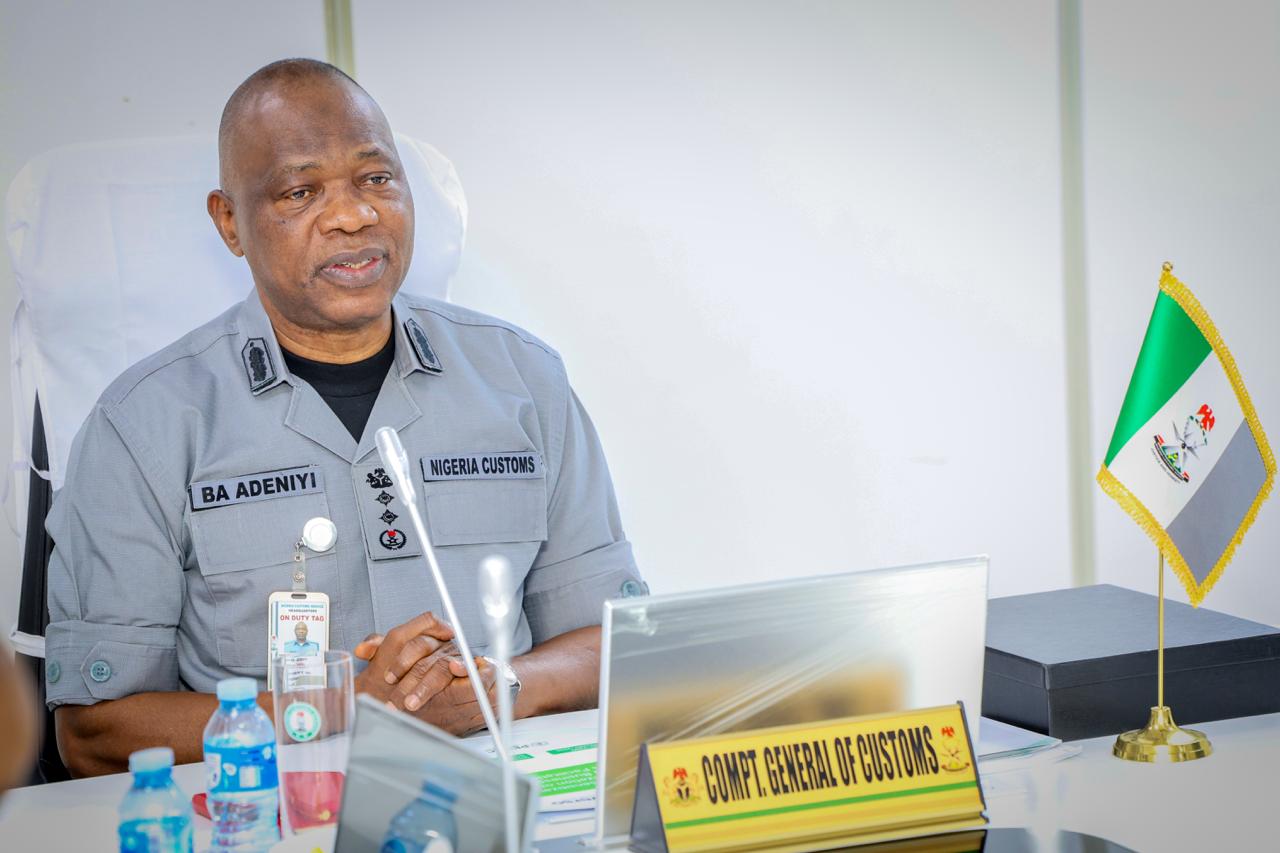
Comptroller-General of Customs, Bashir Adewale Adeniyi, announced the figures on Monday during the International Customs Day celebration in Abuja. He revealed that the Service surpassed its ₦6.5 trillion revenue target, achieving a positive variance of ₦697 billion — a growth of over 10 percent above expectations.
“This performance reflects the dedication of our officers, improved compliance, and stronger enforcement across our operations,” Adeniyi said.
The achievement marks a significant leap from 2024, when Customs collected just over ₦6.1 trillion. That figure had previously sparked controversy after the Senate Committee on Customs reviewed and controversially raised the agency’s revenue target to ₦10 trillion.
Beyond revenue, enforcement efforts intensified throughout the year. The NCS recorded more than 2,000 seizures of prohibited and harmful goods, including narcotics, counterfeit products, and substandard consumer items. The total value of intercepted contraband was estimated at ₦59 billion.
Adeniyi also raised concerns over a spike in wildlife trafficking, especially through airports, where large consignments of trafficked birds were intercepted. He described the trend as alarming and vowed sustained vigilance.
Despite the strong gains, the Customs chief acknowledged ongoing bottlenecks at Nigeria’s ports. He explained that delays in cargo clearance stem less from Customs procedures and more from systemic inefficiencies involving multiple port stakeholders.
“Our challenge is not that we cannot move goods fast,” Adeniyi noted. “It is that goods are not allowed to move fast.”
He stressed that meaningful progress would require coordinated reforms involving Customs, port authorities, and maritime operators to streamline cargo movement and reduce congestion.
On border security and trade facilitation, Adeniyi said procedural reforms remain the fastest route to safeguarding society while promoting legitimate commerce.
Revenue growth was particularly strong at Nigeria’s busiest seaports. Tin Can Island Port generated approximately ₦1.57 trillion by December 11, 2025, up from ₦1.25 trillion in the previous year. Meanwhile, Apapa Port — the nation’s highest revenue-generating command — recorded collections of about ₦2.93 trillion, reflecting more than 20 percent growth compared to 2024.
In a forward-looking move, Adeniyi unveiled the Trade Resilience Strategy, a diagnostic framework designed to strengthen Nigeria’s trade ecosystem. He described it as a tool to make the country’s trade environment more secure, predictable, and globally competitive.
“It mirrors how others see our system,” he said, “and it has challenged us to respond.”