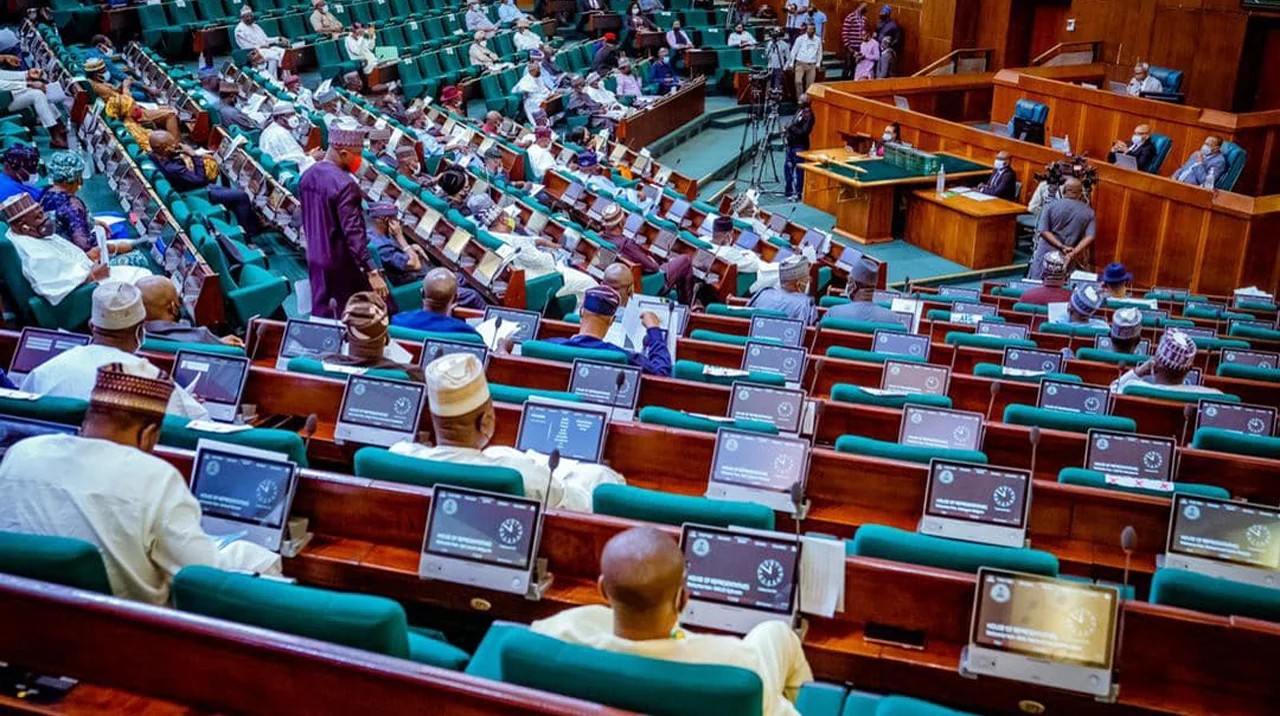
Nigeria’s House of Representatives has intensified its scrutiny of the country’s export controls, ordering key institutions to submit comprehensive and up-to-date records explaining their roles in pre-shipment inspection procedures. The directive came from an ad-hoc committee set up by the House of Representatives to investigate alleged weaknesses in export oversight and the non-remittance of crude oil proceeds.
The committee’s chairman, Seyi Sowunmi, issued the order on Wednesday during a resumed investigative hearing at the National Assembly Complex. Agencies affected include the Nigeria Customs Service, the Central Bank of Nigeria, the Nigerian Ports Authority and the Nigerian Association of Chambers of Commerce, Industry, Mines, and Agriculture.
The investigation stems from a House resolution prompted by mounting concerns over revenue leakages in both oil and non-oil exports, particularly persistent questions about crude oil earnings that allegedly never reach the Federation Account. Lawmakers say the inquiry is aimed at mapping institutional responsibilities across the export value chain and identifying gaps that may allow losses to occur.
At the hearing, the committee said documents previously submitted by the agencies were either incomplete or outdated, warning that fresh notices would be issued with new dates for further appearances. Members of the committee insisted that only full disclosure would allow them to establish whether procedural failures or overlapping mandates are contributing to the problem.
Explaining the role of the Nigeria Customs Service, Deputy Comptroller-General Caroline Niagwan, representing Comptroller-General Bashir Adeniyi, said the agency’s involvement is limited to verifying export documentation against physical consignments. She noted that Customs checks mandatory electronic export forms, certificates of inspection and permits, and conducts examinations at export points to ensure shipments match approved records. According to her, Customs does not collect export duties and is not responsible for tracking how much exporters remit to government accounts, adding that export activities are reported monthly by commands in Port Harcourt, Edo and Delta States.
From the Central Bank, Director Musa Nakurji, standing in for the CBN Governor Yemi Cardoso, described the bank as the coordinating hub for export documentation through automated platforms. He clarified that while the bank oversees the administrative framework for pre-shipment inspection under existing law, it does not appoint inspection agents. He added that export verification, including quantity, quality and value checks, is carried out electronically, with Customs accessing the same system, and that clean certificates are issued only after inspectors are satisfied.
The Nigerian Ports Authority, represented by Tariff General Manager Ibrahim Lukman on behalf of Managing Director Abubakar Dantsoho, told the panel that the authority deploys agents at export terminals to gather operational data, working alongside other agencies within clearly defined statutory limits.
Closing the session, Sowunmi said the inquiry was central to the government’s broader drive to ensure full accountability for national revenues. He said every kobo due to the country must be accounted for, adding that this was the core objective of the committee’s work.
The panel assured stakeholders that new hearing dates would be communicated and reiterated that all requested documents must be submitted to determine whether systemic failures have enabled the alleged loss of crude oil proceeds.