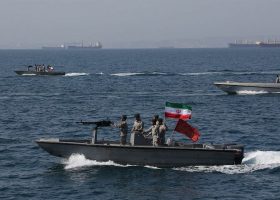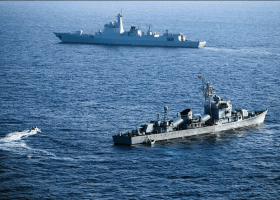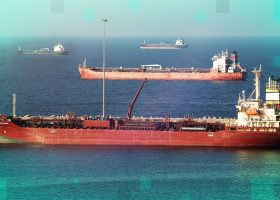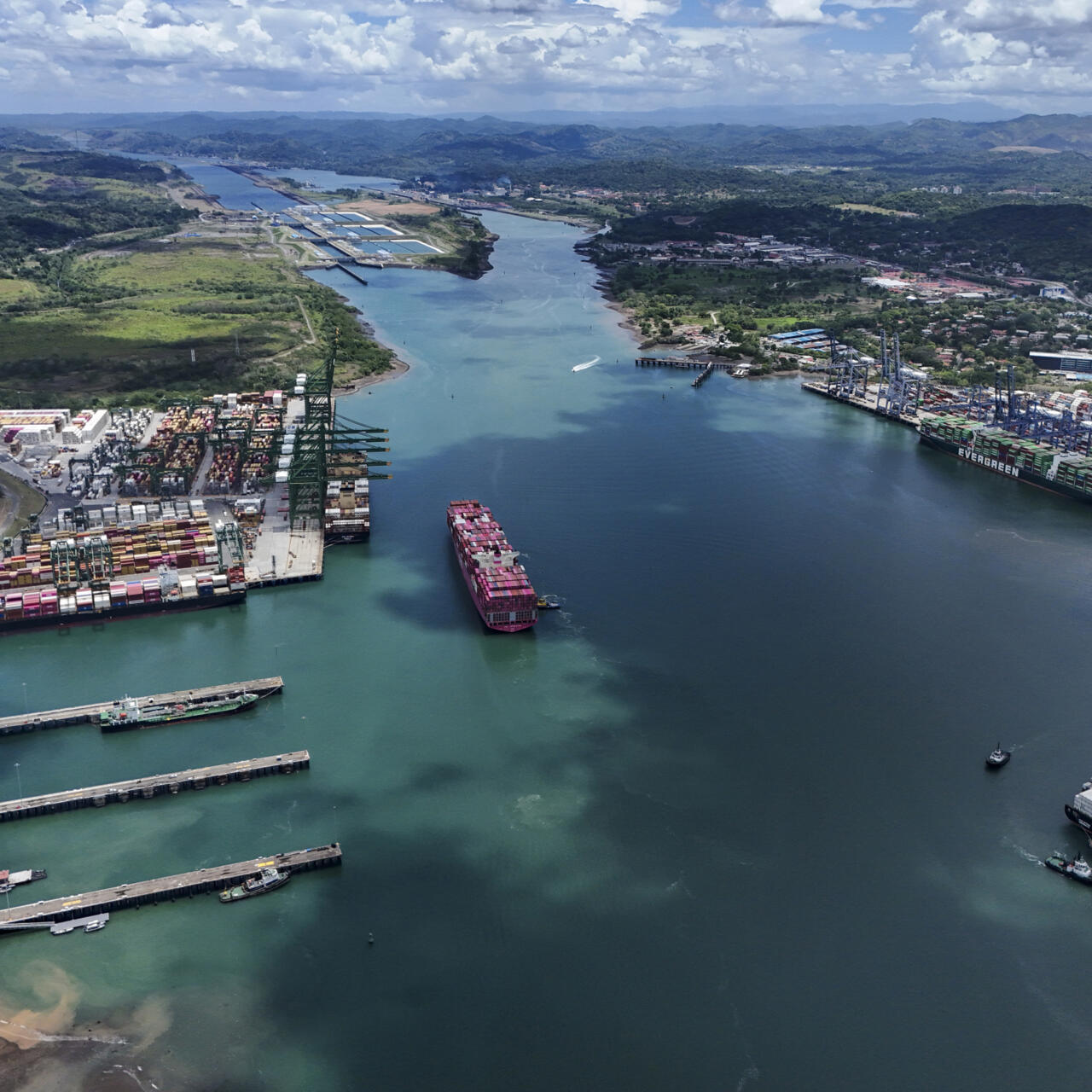
A fleeting window of calm in the Strait of Hormuz triggered a dramatic dash for freedom as a handful of containerships seized the moment to escape mounting tensions in the Arabian Gulf.
In the brief period Iran signalled the vital waterway was open on Saturday, eight vessels made their move, six of them operated by MSC, according to consultancy Linerlytica.
Leading the charge was the colossal 19,224 TEU Clara, the largest ship stranded north of the strait at the time. She was joined by a cluster of fellow MSC vessels, including the Grace, Margrit XIII, Madeleine, Francesca and Epaminondas.
In a striking manoeuvre, all six ships went dark, disabling their transponders as they transited the chokepoint. Most have since resumed AIS transmissions, though Francesca and Epaminondas remain untraceable for now.
The escape effort extended beyond MSC. Smaller vessels Bhagya Laxmi and SSF Valence also slipped out over the weekend, reducing the number of container ships trapped in the Gulf to under 100, with total capacity falling sharply from earlier highs.
Not all were so fortunate. Four CMA CGM vessels were forced to retreat after Iran abruptly reinstated restrictions, following a dramatic escalation involving the US navy’s seizure of the IRISL-operated Touska. The ship, bound for Bandar Abbas from Port Klang, was intercepted and taken offline before being captured on 20 April.
Despite the heightened geopolitical strain and competing blockades, the impact on shipping flows appears limited so far. Linerlytica noted that several Iranian-linked vessels have continued to navigate around restrictions, suggesting enforcement gaps remain.
Meanwhile, the commercial ripple effects are becoming clearer. Asia–Europe freight rates continue to soften under weak demand, with carriers struggling to maintain pricing discipline.
Hopes for a rate rebound in May are already fading after Maersk opted to extend its late-April pricing into the new month.
Across the Pacific, however, the mood is more resilient. Spot rates from Asia have not only held firm but risen for four consecutive weeks, as carriers tread carefully ahead of the annual contract deadline. The balancing act reflects an industry navigating both geopolitical shockwaves and fragile market fundamentals, where even a brief opening in a strategic waterway can trigger a high-stakes maritime sprint.