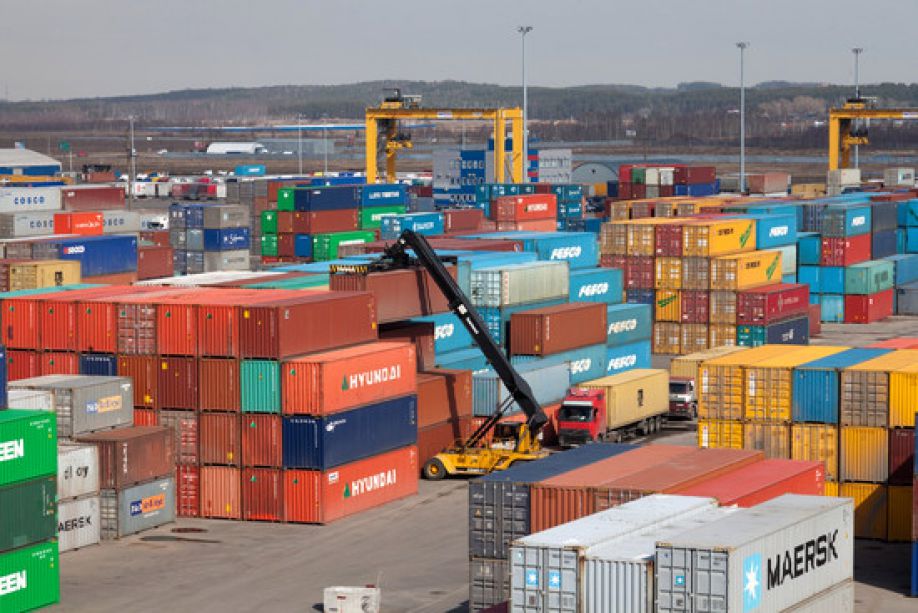
The Managing Director of Inland Containers Nigeria Limited (ICNL), Omotayo Philip Dada, has backed the Federal Government’s decision to transfer Inland Dry Port functions from the Nigerian Shippers’ Council to the Nigerian Ports Authority, saying the move could strengthen links between seaports and hinterland terminals.
Dada said closer integration with the NPA would help deliver the original vision of taking port services closer to businesses outside the coastal areas.
“Our expectation is ultimately about connectivity and integration, stronger relationships with shipping lines, more effective through bills of lading to inland dry ports, reliable rail connectivity, improved positioning of empty containers for exporters, and seamless movement of cargo between the seaports and the hinterland,” he said.
He said cargo destined for Kaduna should be treated as a single logistics journey from vessel to final destination, rather than a series of disconnected processes.
Dada said the Kaduna Inland Dry Port, operated by ICNL and regarded as Nigeria’s first fully operational dry port, must translate its status as a port of origin for exports and port of final destination for imports into tangible benefits for customers.
He also called for clear roles and stronger collaboration among the NPA, Nigerian Port Economic Regulatory Agency (NPERA), Nigerian Railway Corporation, shipping lines, seaport terminals and dry-port operators.
Dada said ICNL’s strategy was one of “continuity with transformation”, building on its operational strengths while expanding into integrated logistics, including freight forwarding, haulage, warehousing, technology and rail connectivity.
He said boosting exports from Northern Nigeria would be central to the strategy, with KIDP targeting commodities including sesame, ginger, hibiscus, soybeans and groundnuts, alongside processed and value-added products.
He said stronger hinterland connectivity would help link Nigerian producers to international markets and reinforce the role of inland ports in the country’s trade and export drive.