Nigeria’s largest container terminal, APM Terminals Apapa, has reaffirmed its position as a critical driver of the nation’s export growth, leveraging strategic investments, advanced technology and customer-focused solutions to enhance the competitiveness of Nigerian exports in the global marketplace.
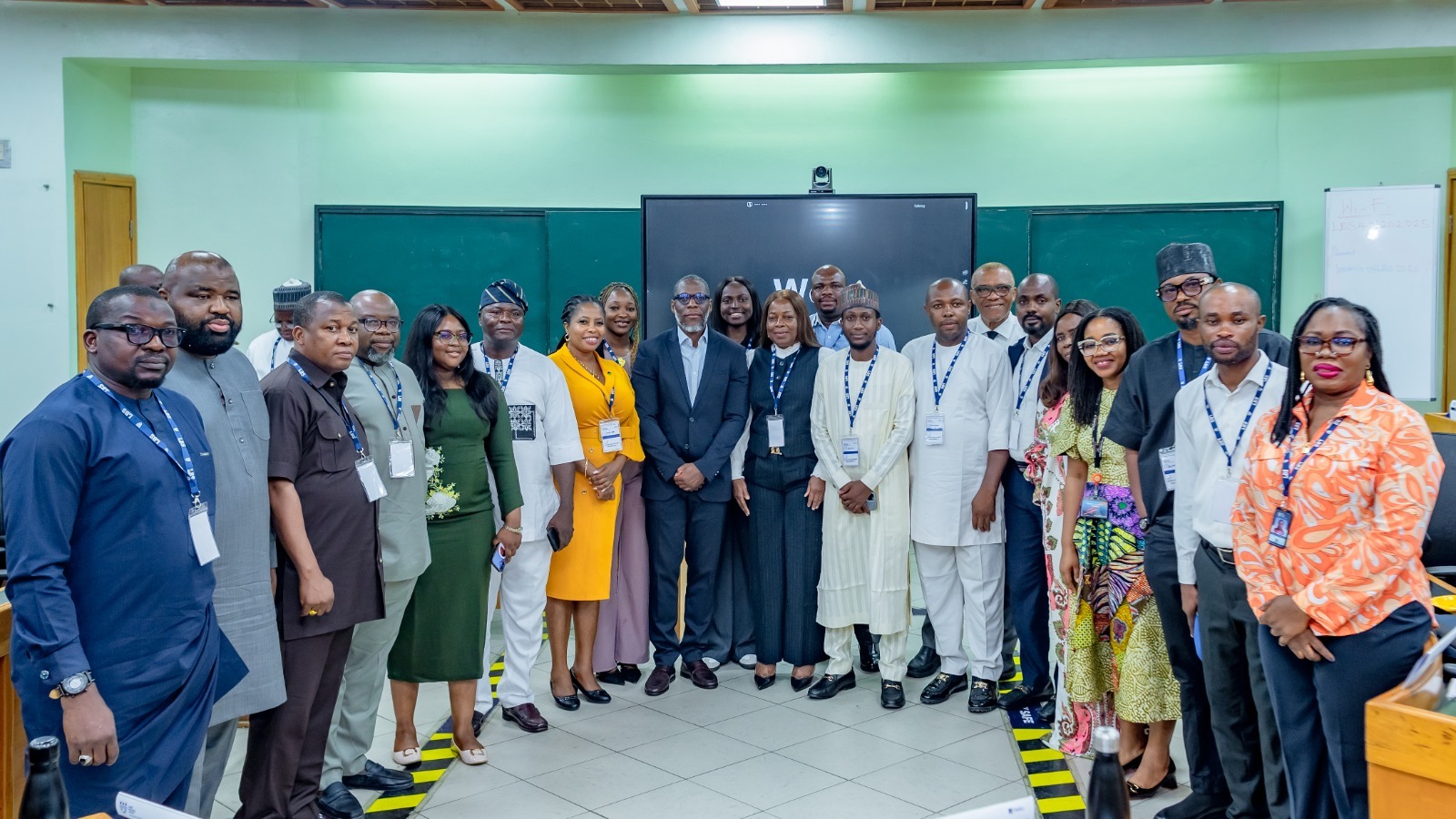
Speaking on Thursday at an Export Management Workshop organised by Lagos Business School in Lagos, the Chief Commercial Officer of APM Terminals Apapa, Westtar Kapito, highlighted the terminal’s pivotal role in facilitating seamless trade and creating value for exporters across the country.
Delivering a presentation on “The Role of APM Terminals in Facilitating Exports in Nigeria,” Kapito said the company’s sustained investments in infrastructure, equipment, technology and human capital have been deliberately designed to strengthen Nigeria’s trade ecosystem and support economic development.
“APM Terminals Apapa has made a long-term commitment to Nigeria and its economic growth. Over the years, we have invested significantly in modern port infrastructure, cargo-handling equipment, yard capacity, digital solutions and the development of our people. These investments are strategic interventions aimed at enabling trade, supporting exporters and improving Nigeria’s competitiveness in international markets,” he said.
Kapito noted that digitisation remains one of the company’s most transformative investments, helping to simplify processes, improve transparency and enhance customer experience for both importers and exporters.
“Our vision is to make doing business through the port as easy, efficient and predictable as possible. Through digitalisation, customers enjoy greater visibility of their cargo, faster processing times and improved access to information. These improvements translate directly into lower operational challenges and greater efficiency in the movement of goods through the supply chain,” he stated.
According to him, exporters using APM Terminals Apapa benefit from a range of advantages, including ease of doing business, improved cargo visibility, operational efficiency, connectivity to global markets, enhanced security and support for employment generation.
“We understand the challenges businesses face in today’s economic environment, particularly with rising operational costs globally. That is why we continue to focus on delivering value through competitive services, operational excellence and reliable infrastructure. Our goal is to create an environment where exporters can move their goods quickly, securely and cost-effectively through our terminal,” Kapito said.
He further emphasised the terminal’s commitment to minimizing delays and ensuring efficient cargo evacuation, describing APM Terminals Apapa as a reliable gateway that prioritises speed, predictability and service quality.
“Time is critical in international trade. We continuously optimise our operations to ensure containers move through the port as swiftly as possible. Reliability is one of our strongest value propositions, and we remain focused on helping customers meet their delivery timelines and business objectives,” he added.
The Export Programme Director at Lagos Business School, Professor Frank Ojadi, stressed the importance of continuous capacity building for freight forwarders and clearing agents, noting that greater knowledge and professionalism within the export ecosystem would contribute significantly to national export growth.
APM Terminals Apapa is Nigeria’s largest container terminal and one of the country’s most important trade gateways. Located at the Lagos Port Complex in Apapa, the terminal is operated by APM Terminals, a global port and terminal operator with operations in more than 60 countries. Through continuous investments in infrastructure, technology, equipment and workforce development, APM Terminals Apapa plays a vital role in facilitating international trade, improving supply chain efficiency and supporting Nigeria’s economic growth.