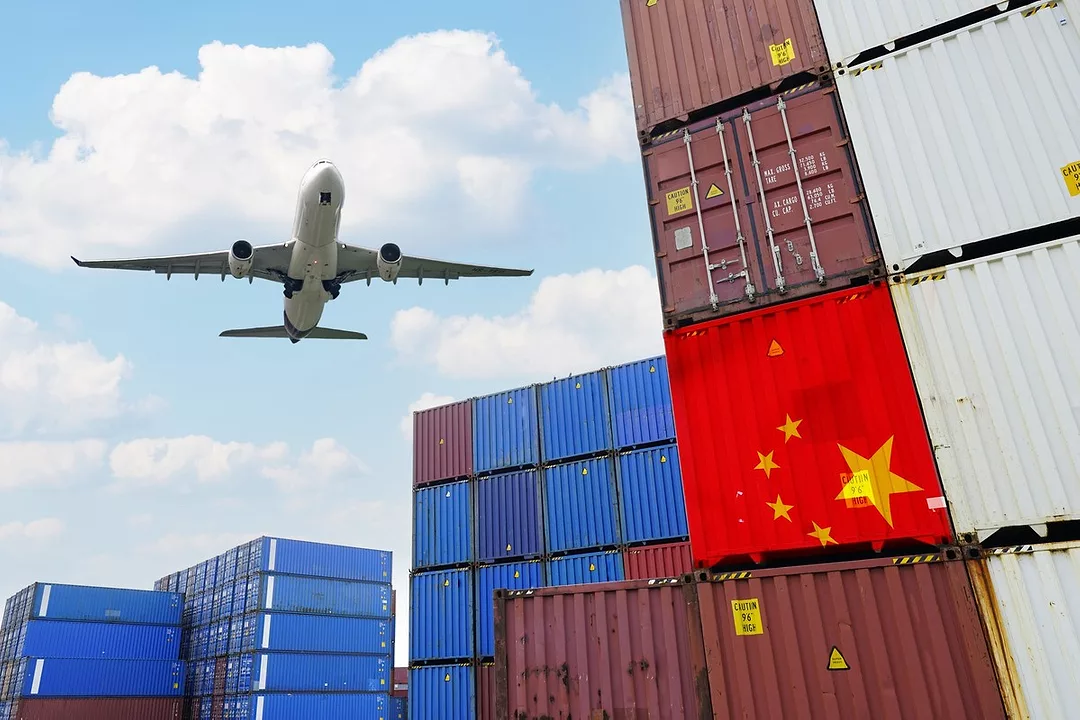
The advent of the Year of the Fire Horse has raced into the record books not only for its cultural significance but for unleashing the longest and most disruptive industrial standstill in modern Chinese history. As China observed an unprecedented nine-day national holiday from 15 to 23 February 2026, the world’s manufacturing heartland fell silent, sending shockwaves through global trade networks and logistics systems.
Factory floors across powerhouse industrial centres from Shenzhen to Suzhou went dark, halting output at scale and triggering a cascade of disruption along supply chains already strained by pre-holiday demand. At the maritime frontier, shipping lines responded to the sudden evaporation of cargo with a wave of cancelled sailings, scrubbing more than a hundred scheduled voyages in February alone in a bid to stave off a collapse in freight rates as export volumes slumped to seasonal lows.
Yet the financial pain for shippers peaked just before the festivities. Spot rates on Transpacific and Asia–Europe routes surged by as much as 40 per cent during a frantic rush to move goods ahead of the 17 February New Year’s Day, leaving many exporters priced out or bumped off fully booked vessels. Containers piled up at gateways such as Ningbo-Zhoushan, where overcapacity and rolling cargo compounded delays, while inland logistics fractured as millions of lorry drivers returned to their home provinces. Those still operating commanded up to triple the usual haulage fees, pushing transport costs sharply higher.
With the holiday now drawing to a close, the global market faces a punishing rebound. Ports are reopening, but the aftershocks of the shutdown are expected to reverberate well into April. Manufacturers warn that production will recover only gradually as migrant workers trickle back over the next ten to fourteen days, leaving inventories of electronics and automotive components perilously thin.
For supply chain planners, the 2026 Lunar New Year has delivered a stark lesson in systemic dependence on a single manufacturing powerhouse. As companies grapple with mounting backlogs and volatile freight markets, the episode is likely to accelerate efforts to diversify production geographically, reshaping sourcing strategies long after the Fire Horse year has begun.