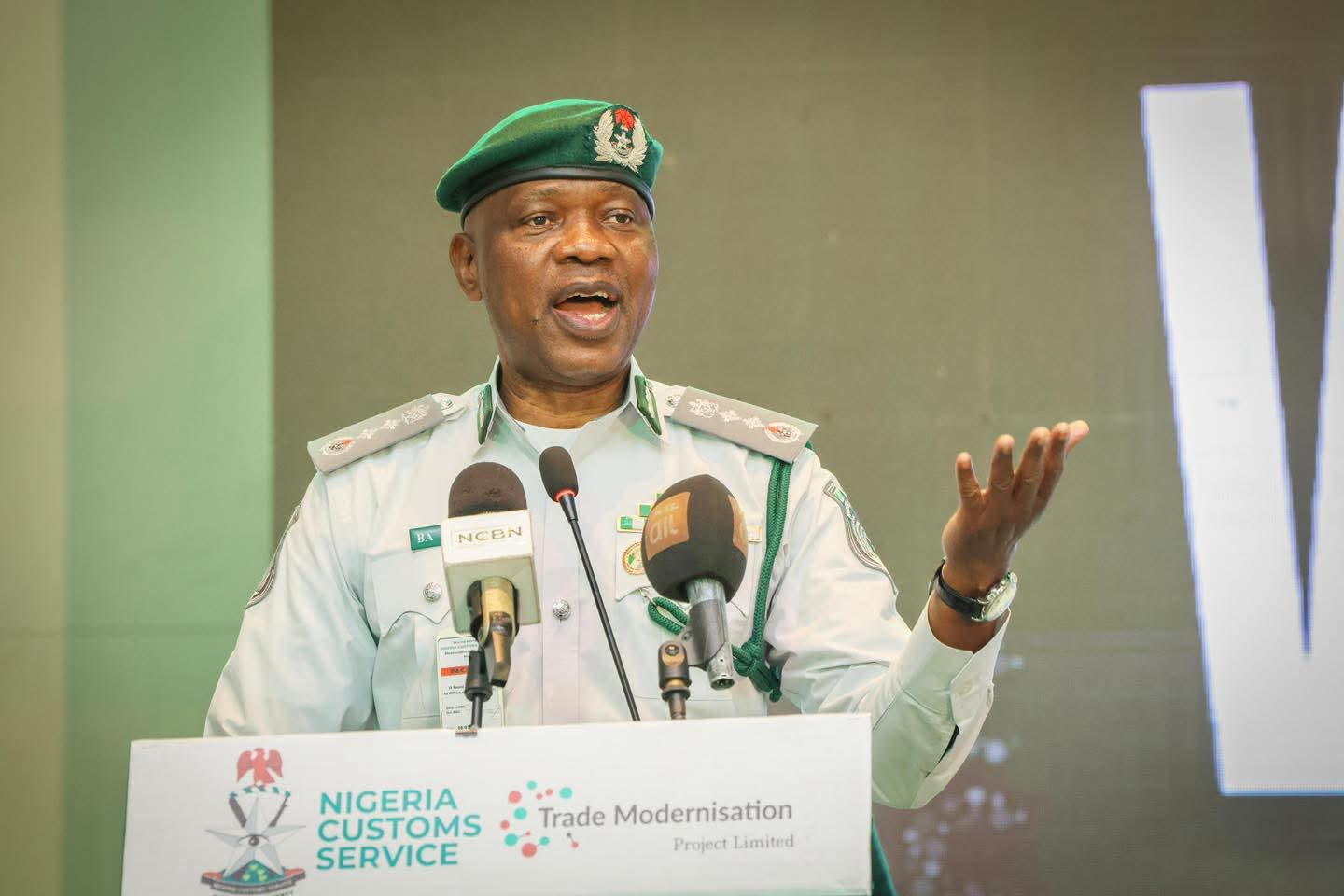
The Nigeria Customs Service generated ₦3.35 trillion in revenue in the first quarter of 2026, achieving 30.25 per cent of its approved ₦11.074 trillion revenue target for the year, Comptroller-General of Customs, Adewale Adeniyi, has disclosed.
Speaking on Wednesday at a retreat for the Senate Committee on Customs in Abuja, Adeniyi said the NCS now has ₦7.724 trillion left to generate before the end of the fiscal year.
The Senate approved the ₦11.074 trillion target in July following the Service’s strong 2025 performance, when it generated ₦7.277 trillion, exceeding its target by 10.24 per cent.
Adeniyi attributed the sustained revenue growth to the service’s modernisation drive and institutional reforms, insisting the performance was driven by improved systems rather than exchange rate gains.
“Revenue growth in a period of currency adjustment can flatter an administration that has done very little. What matters is whether the growth rests on better systems or on favourable arithmetic. I put it to you that ours rests on systems, and the purpose of this retreat is to let you examine that claim rather than accept it from me,” he said.
He also highlighted Nigeria’s growing international profile, noting his chairmanship of the World Customs Organisation Council, a position he said reflects global confidence in the country’s customs reforms.
According to Adeniyi, the service’s reform agenda is replacing discretionary decision-making with technology-driven processes anchored on rules, risk management and data analytics.
He identified the Trade Modernisation Project and the deployment of the B’Odogwu digital platform as key milestones in automating customs operations, improving transparency, accountability and operational efficiency.
He added that digitalisation requires a shift in legislative oversight, urging lawmakers to focus on evaluating customs systems, risk management frameworks, valuation databases, cargo clearance timelines and the cost-effectiveness of statutory waivers rather than individual transactions.
“The most valuable thing this service can offer your oversight is not access to individual decisions but access to the data and the design,” Adeniyi said, adding that stronger oversight of customs systems would further boost trade facilitation, revenue generation and economic growth.
Related Posts:

Customs, NNPCL Unite to Combat Petroleum Smuggling with Advanced Technologies

Nigeria Customs Service Deepens Strategic Engagement with China's GACC on Customs Knowledge Exchange

Customs dismisses 4 Deputy Comptrollers, 25 other senior officers for gross misconduct