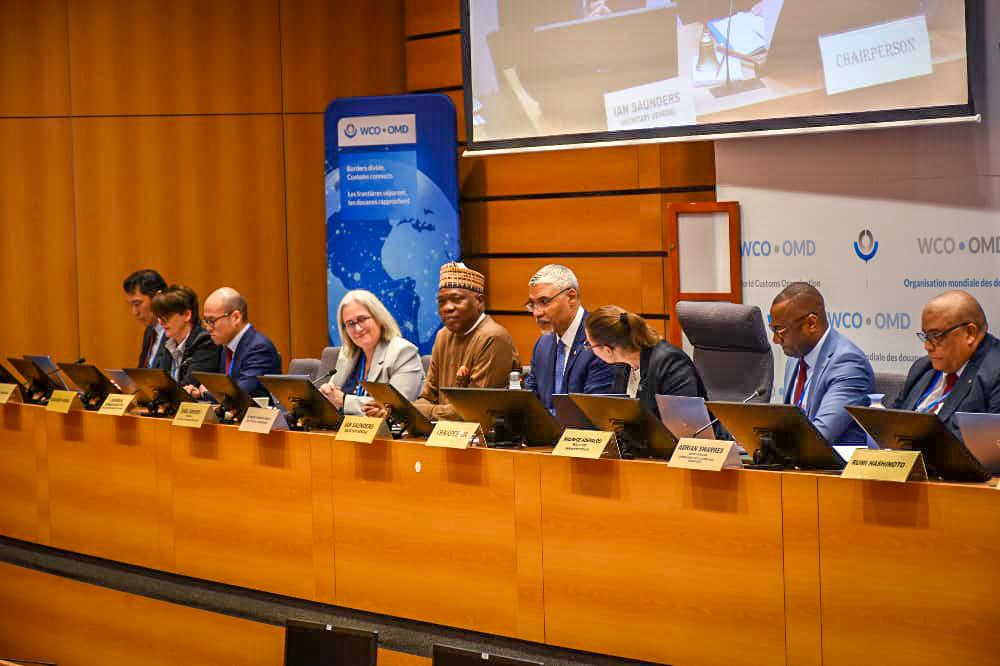
The Nigeria Customs Service has announced plans for a sweeping integrity risk audit, targeting long-standing loopholes in its operations as part of a strengthened partnership with the World Customs Organization.
The audit—set for 2026—will go beyond rhetoric, aiming to identify and seal corruption gaps across the Service’s systems, particularly as trade processes become increasingly automated and complex.
The initiative marks a clear shift from reform pledges to measurable scrutiny. Officials say the exercise will probe systemic weaknesses in revenue collection, border operations, and trade facilitation platforms—areas often criticised for opacity.
The move follows a high-level strategy session in Brussels led by Comptroller-General Adewale Adeniyi, who is also chairing the WCO Council, signalling Nigeria’s growing influence in global Customs governance.
In a statement issued on Friday, the Customs National Public Relations Officer, Abdullahi Maiwada, said the engagement allowed international experts under the WCO’s Anti-Corruption and Integrity Promotion (A-CIP) Programme to assess progress and map out the next phase of reforms.
At the centre of those talks: a comprehensive integrity risk assessment designed to plug what insiders describe as “systemic leakages”.
A key concern driving the audit is the rapid expansion of automated systems in Customs processes—seen as both an opportunity and a risk.
Under its next phase (2026–2030), the WCO programme will focus on embedding anti-corruption safeguards directly into digital platforms, ensuring that technology does not simply accelerate inefficiencies or create new blind spots.
The Customs Service has already taken a notable step by approving the publication of its integrity survey results—an unusual level of transparency in a sector often criticised for secrecy.
The WCO team described the decision as a “strong institutional commitment” to accountability.
Officials point to early signs of progress, including tighter valuation controls, expanded post-clearance audits, and the rollout of a voluntary disclosure framework under the Nigeria Customs Service Act 2023.
Yet the planned audit suggests authorities acknowledge that deeper structural issues remain.
Adeniyi, responding to the briefing, said the partnership with the WCO is central to rebuilding trust and credibility.
Both sides agreed that integrity is now a defining test for Customs administrations worldwide, particularly as global trade grows more complex and interconnected.
The next steps will see the publication of survey findings, the creation of a dedicated reform task force, and the integration of anti-corruption measures into daily operations.
For Nigeria, the implications are significant: the audit could either validate ongoing reforms—or expose uncomfortable truths about how revenue, trade, and enforcement have been managed.
Either way, the outcome is likely to shape not just public confidence, but Nigeria’s standing in the global trade system.