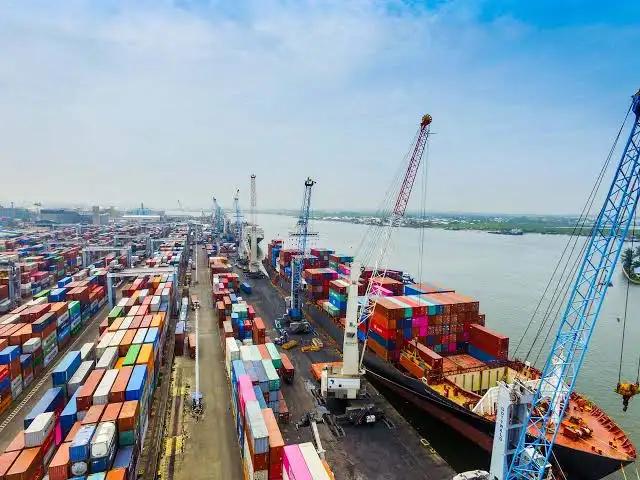
The Federal Government has set an ambitious target to cut cargo dwell time at Nigerian ports to under seven days by 2026, rolling out sweeping reforms anchored on a National Single Window and major port upgrades.
Officials say current clearance times of 18 to 21 days — far above the global average of four — are driven largely by inefficient documentation and regulatory bottlenecks rather than physical constraints.
Under the new plan, a unified digital platform will streamline trade processes, allowing electronic submission of licences and permits, centralised risk management and transparent payments, while reducing human interference and delays that account for roughly 73 per cent of bottlenecks.
At the same time, upgrades at Apapa and Tin Can Island ports, which handle about 70 per cent of Nigeria’s trade, are expected to ease congestion, improve cargo handling and speed up vessel turnaround.
Authorities stress that both reforms must work in tandem, with digital efficiency and physical infrastructure combining to deliver faster, more reliable trade flows.
Phase one of the National Single Window is scheduled for rollout on Friday, 27 March 2026, marking a decisive shift in Nigeria’s trade system.