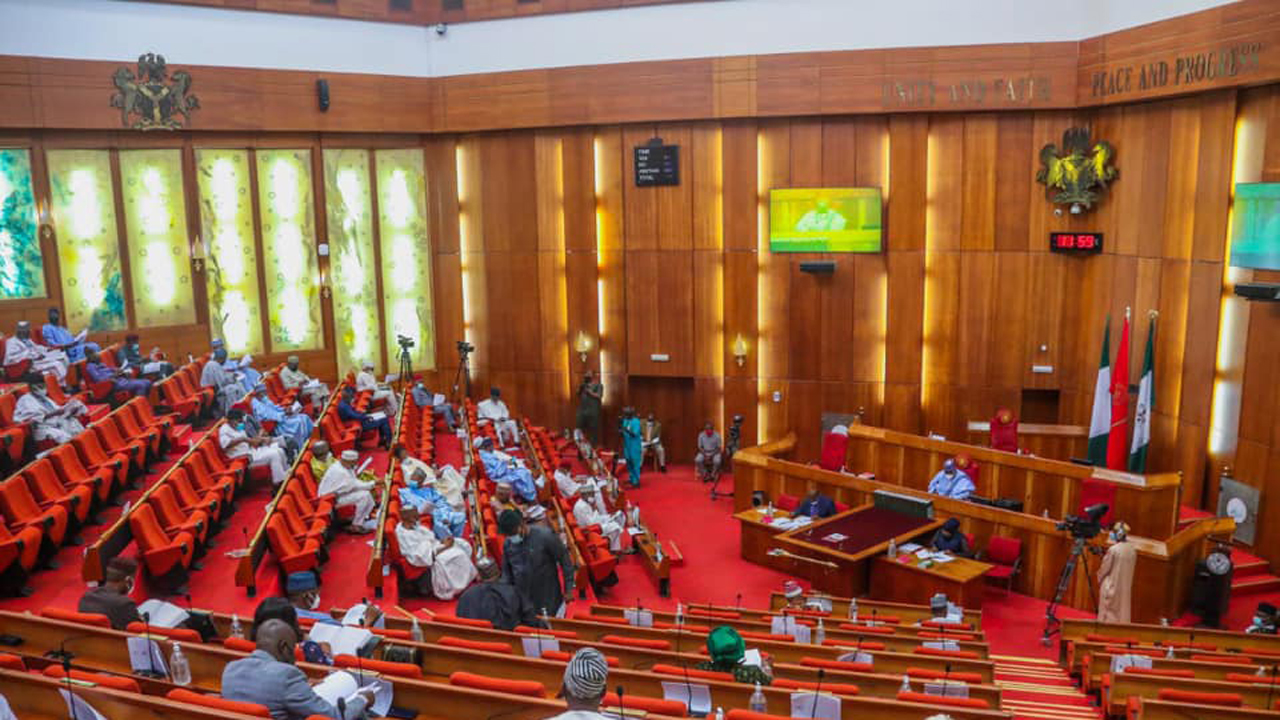
Lawmakers have thrown their weight behind the Nigerian Shippers’ Council in its push for a tariff adjustment for shipping companies, signalling a shift towards resolving long-standing tensions in the maritime sector while urging fresh stakeholder consultations to smooth the process.
Speaking at a stakeholders’ meeting in Abuja, Abdussamad Dasuki, who chairs the House Committee on Shipping Services, made it clear that the National Assembly supports a modest increase in tariffs but wants broader engagement before any final decision is enforced.
He said the Committee’s intervention was aimed at addressing mounting concerns across the industry, particularly around pricing, while acknowledging the Council’s efforts so far.
Dasuki confirmed that lawmakers and industry players are aligned on the need for a slight upward review of charges, adding that the Executive Secretary of the Council, Dr. Pius Akutah, will lead discussions with key stakeholders including the Nigeria Customs Service and the Nigerian Ports Authority. These talks, he said, are expected to produce an agreed framework and implementation timeline within weeks, with a final resolution targeted within three weeks.
Akutah, defending the Council’s position, stressed that as the sector’s economic regulator, it has acted within the law by directing shipping companies to consult their stakeholders before implementing any tariff changes. He noted that while some operators have begun consultations, the extent of engagement remains unclear, prompting a final round of discussions mandated by the Committee.
He insisted that ongoing meetings between shipping firms and their stakeholders would not be disrupted, but must be concluded ahead of next week’s decisive session, where progress reports will shape the final outcome. According to him, the goal is to reach a conclusive decision that will stabilise the industry and bring clarity to all parties.
However, industry operators remain cautious. President of the Shipping Association of Nigeria, Boma Alabi, argued that no real resolution has yet been achieved, pointing to the absence of a transparent and consistent mechanism for reviewing tariffs — something she says exists in more structured sectors like telecommunications and energy.
Alabi warned that piecemeal tariff approvals for individual companies have drained time and resources, urging the Committee to push the Council towards a more credible and standardised system that can inspire confidence across the industry.
She also highlighted persistent operational issues, criticising the Nigeria Customs Service for what she described as unchanged practices, including irregular container auctions and fragmented command structures.
Alabi further raised alarm over security challenges at the ports, including stowaways and delays linked to investigations, which often leave shipping companies bearing financial and operational burdens beyond their control. She called for stronger coordination among agencies, clearer accountability, and improved security frameworks to prevent undue liabilities on shipping companies.