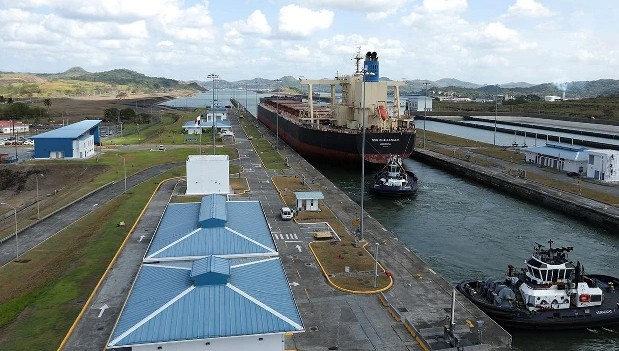
The Panama Canal has marked its 112th anniversary with vessel traffic on the rise, even as renewed water shortages threaten to constrain operations.
The canal, which opened on 15 August 1914, recorded 10,623 deep-draft vessel transits in the first 10 months of fiscal 2026, up 6.1% from the same period last year, according to the Panama Canal Authority (ACP).
The increase comes after severe drought disrupted operations in 2023 and 2024, forcing transit and draft restrictions that caused backlogs and drove up shipping costs.
Now, a strengthening El Niño is putting pressure on Gatun Lake, the canal’s main freshwater source.
The ACP has reduced the maximum authorised draft for Neopanamax vessels from 49.5 feet in early July to 48.5 feet, with further cuts planned in the coming weeks.
The restrictions remain less severe than during the 2023-24 drought, and daily transit slots have not yet been reduced.
The canal has also introduced water-saving measures and increased reservoir reserves to limit the risk of disruption.
As it enters its 113th year, the canal is also pursuing projects to expand its role beyond ship transit, including new logistics and energy infrastructure and a proposed Rio Indio reservoir to strengthen Panama’s long-term water security.