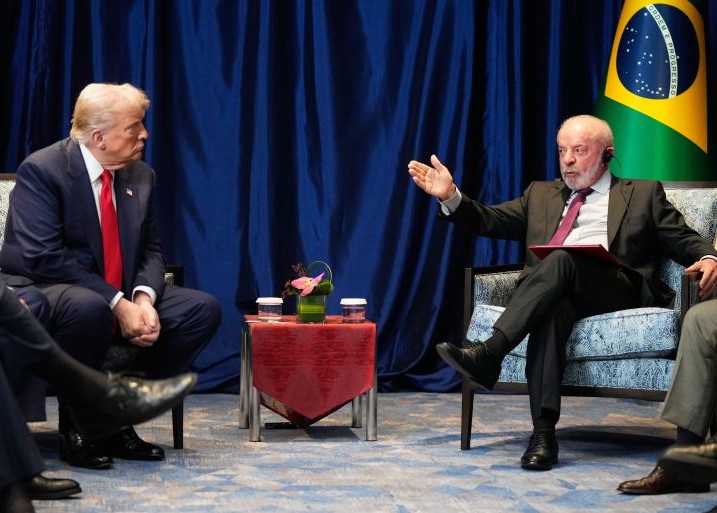
The United States has imposed a 25% tariff on most imports from Brazil following a year-long investigation into what Washington described as unfair Brazilian trade practices.
The Office of the United States Trade Representative (USTR) said Ambassador Jamieson Greer, acting on the direction of President Donald Trump, had taken final action under Section 301 of the Trade Act of 1974 to implement the new duties.
The investigation concluded that several Brazilian policies were “unreasonable” and restricted or burdened US commerce, according to the USTR.
The findings cited concerns over digital trade and electronic payment services, preferential tariff treatment, anti-corruption enforcement, intellectual property protection, ethanol market access and illegal deforestation.
Washington said the latter had given Brazilian agricultural producers an unfair competitive advantage.
The decision follows two public hearings, more than 360 public submissions and extensive negotiations between the two countries over the past year.
The USTR said those efforts had failed to resolve the issues identified during the investigation.
“Safeguarding American economic interests against unfair trade practices is the bedrock of President Trump’s America First policies,” Greer said.
He accused Brazil of targeting US technology companies that refused to censor political speech, weakening anti-corruption enforcement and allowing farmers to benefit from illegally logged land.
“Brazil’s unfair trading practices have prevented US workers and producers from accessing this important market with over 210 million consumers,” Greer said.
The USTR said the 25% tariff was intended to address the practices identified in the investigation and ensure that American workers and businesses could compete on a level playing field.
Despite imposing the new duties, Washington said it remained open to further negotiations with Brazil if the country took steps to address the concerns raised during the investigation.