The United States has announced its withdrawal from dozens of international organisations, including UNCTAD and several other bodies that play influential roles in global maritime governance, shipping regulation, climate policy, and ocean management.
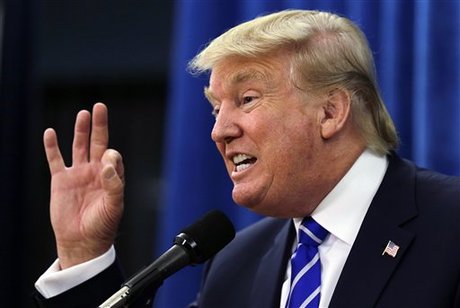
US President Donald Trump authorised the move through a memorandum directing federal agencies to end US participation and funding for the affected organisations.
The decision follows a comprehensive review conducted under Executive Order 14199 by the Secretary of State in coordination with the US Mission to the United Nations.
The withdrawal represents a sharp shift in US foreign and economic policy, signalling a retreat from multilateral institutions that have historically shaped global trade, maritime safety standards, environmental regulation, and climate cooperation. For decades, the United States has been a key player in many of these forums, using them to influence international shipping rules, port development policies, and climate negotiations.
Among the organisations affected are major non-UN bodies with strong maritime and environmental mandates, including the Intergovernmental Panel on Climate Change (IPCC), the International Renewable Energy Agency (IRENA), the International Union for Conservation of Nature (IUCN), and the International Tropical Timber Organization (ITTO).
The United States will also withdraw from the Regional Cooperation Agreement on Combating Piracy and Armed Robbery against Ships in Asia (ReCAAP), a significant maritime security arrangement in a region that handles a large share of global trade.
Several United Nations entities with direct relevance to maritime affairs are also covered by the order. These include the UN Conference on Trade and Development (UNCTAD), which plays a key role in global shipping, port development, and maritime trade policy; UN Oceans; the UN Framework Convention on Climate Change (UNFCCC); and UN Water.
In addition, the withdrawal extends to regional commissions under the UN Economic and Social Council (ECOSOC), which influence trade corridors, maritime connectivity, and infrastructure development across multiple regions.
Under the directive, US agencies are required to end participation or financial contributions to UN bodies where legally permissible.
The administration indicated that the review process is still ongoing and that additional withdrawals may follow.
The move aligns with the Trump administration’s broader “America First” agenda, which prioritises national sovereignty and bilateral engagement over multilateral commitments.
Supporters argue the decision will reduce financial burdens and limit external influence on US policy, while critics warn it could diminish American influence over global maritime standards, climate frameworks, and international trade rules.
The Secretary of State is expected to issue detailed guidance on implementation, with the memorandum set to be published in the Federal Register.