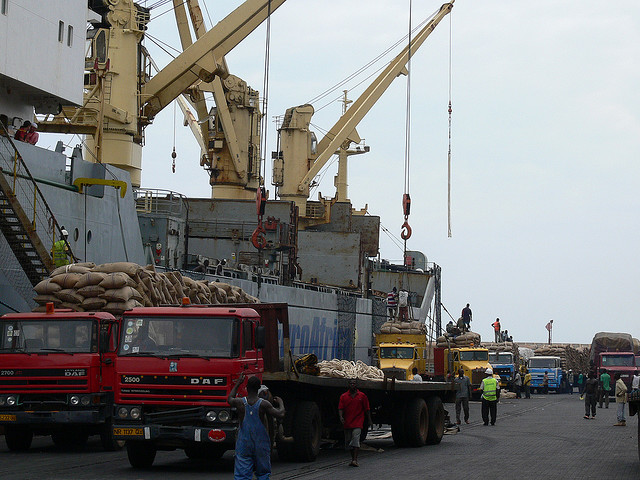
Nigeria’s import and export trade is poised for a surge after the European Union removed the country from its list of high-risk nations for financial crimes, a breakthrough expected to unlock smoother transactions, stronger investor confidence and cheaper business ties with Europe.
The decision, which takes effect from 29 January 2026, follows Nigeria’s recent exit from the Financial Action Task Force greylist.
For years, placement on these lists meant Nigerian banks and businesses faced intense scrutiny in cross-border dealings, with European institutions required to apply enhanced due diligence checks that slowed payments, delayed shipments and raised compliance costs. That barrier is now set to fall away.
Minister of State for Finance, Doris Aniete, hailed the move as a landmark victory, praising it as a boost to trade and investor trust.
Analysts say the delisting sends a clear signal that Nigeria’s financial system is gaining global credibility, restoring confidence among European trade partners and international investors.
With the stigma lifted, Nigeria’s business transaction with Europe is expected to become faster, cheaper and far less complicated.
The EU’s high-risk list targets countries with weaknesses in anti-money laundering and counter-terrorist financing controls. Nigeria’s presence on the list had long frustrated exporters, importers and banks, limiting access to European markets and correspondent banking relationships. Its removal is expected to ease trade finance, speed up international payments and encourage European firms to invest more freely in one of Africa’s largest economies.