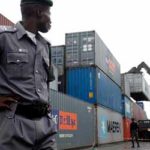
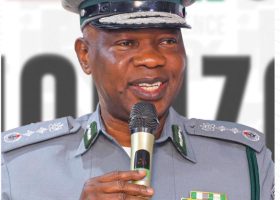
The Comptroller-General of the Nigeria Customs Service (NCS), Adewale Adeniyi, has warned that a single negative encounter with a Customs officer could undermine public confidence in the entire institution, insisting that reputation must be earned through performance, transparency and responsible engagement rather than publicity campaigns.
Adeniyi said no amount of carefully crafted press releases could conceal poor service delivery, stressing that public relations must be treated as a strategic leadership responsibility rather than a publicity function.
He spoke at the 2026 World Public Relations Forum in Abuja while delivering an address titled “Responsible Communication and Public Relations as a Leadership Function for Global Impact: A Case Study of the Nigerian Customs Service”.
The Customs chief, who also chairs the World Customs Organisation (WCO) Council, said institutional credibility was shaped by everyday interactions with the public, particularly at service points where officers represented their organisations.
“Today, reputation is not built on press office alone. It is built at every counter, at every gate,” he said.
He argued that even sound policies could fail if stakeholders did not understand or trust them, adding that effective communication was essential to successful reforms.
Citing the introduction of the NCS’s indigenous technology platform, B’Odogwu, Adeniyi said the service prioritised stakeholder engagement, staff training, help desks and phased implementation to minimise disruptions.
He disclosed that B’Odogwu was now fully operational and had been recognised by the African Continental Free Trade Area (AfCFTA) Secretariat in August 2026 as a model for other African countries.
“Reform is not complete when the system goes live. It is complete when the people using it understand it and trust it,” he said.
On transparency, Adeniyi revealed that the service’s time release study showed cargo clearance took about five days, with more than 90 per cent of the period spent in idle time.
He said the findings were published despite their unflattering implications to expose bottlenecks and encourage accountability among port stakeholders.
He also cited the Authorised Economic Operator programme, which has reduced clearance time for participating companies from about 168 hours to 41 hours, with 51 companies granted AEO status and more than 200 others benefiting.
Addressing security communication, he warned against releasing unverified information, recalling major arms seizures involving 844 rifles in June 2024 and another 399 aboard a vessel named MV Velika.
Adeniyi urged public relations professionals to participate in policy formulation and organisational decision-making, insisting that communication experts must help leaders anticipate public reactions before implementing reforms.
“No statement, however well crafted, can hide poor performance for long,” he said.