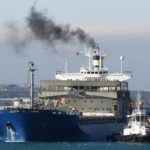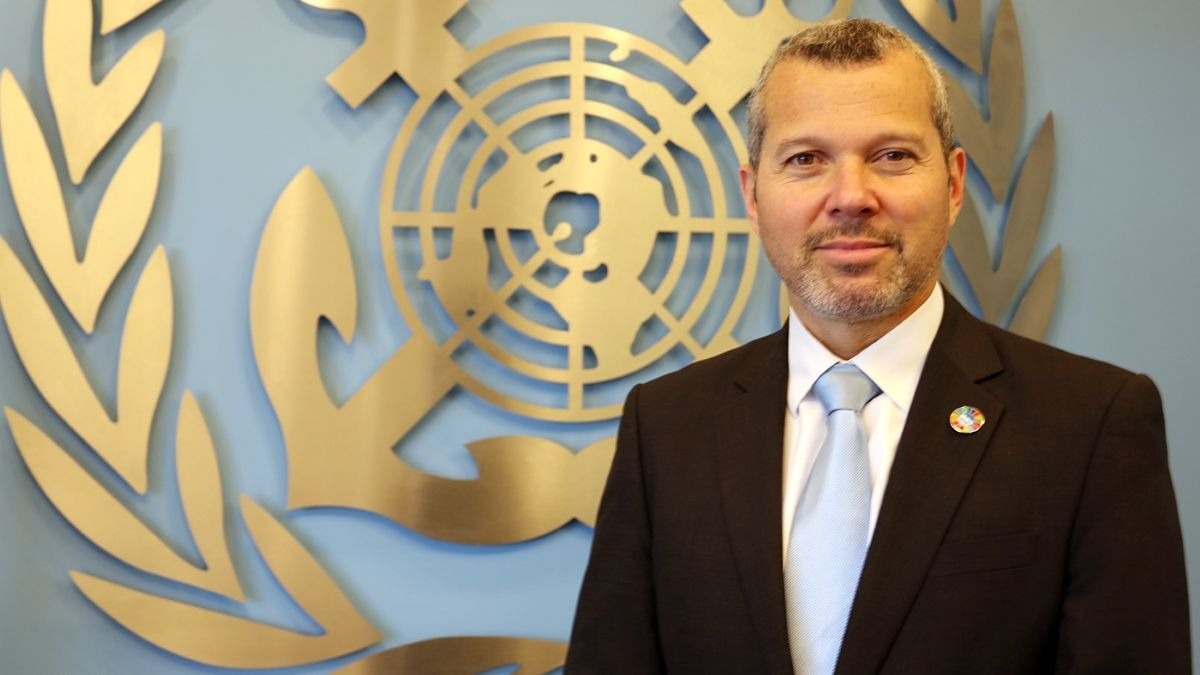
The Secretary-General of the International Maritime Organization (IMO), Arsenio Dominguez, has urged governments to tighten enforcement of international maritime regulations in the Strait of Hormuz, warning that unsafe shipping practices are compounding the dangers facing seafarers amid the ongoing conflict.
In a statement issued on Wednesday, Dominguez raised concerns over vessels transiting the strategic waterway without meeting basic international safety requirements, including provisions of the International Convention for the Safety of Life at Sea (SOLAS).
The IMO said it had verified 133 incidents involving merchant vessels as of 10 November since the conflict began on 28 February, resulting in 25 seafarer fatalities, with others injured or missing.
Dominguez specifically highlighted the use of substandard vessels, concealment of IMO identification numbers, fraudulent ship registrations and false flags, warning that such practices undermine maritime safety and complicate efforts to protect lives at sea.
“IMO’s technical and operational regulations are there to protect seafarers, ships and the marine environment. They must be respected and enforced effectively,” he said.
He called on flag, port and coastal states to act against violations within their respective jurisdictions and in accordance with international law, while urging shipowners and operators to avoid commercial activities that expose crews to unacceptable risks.
The warning follows the IMO Council meeting in London from 2 to 6 November, where member states condemned attacks on merchant shipping and called for stronger protection of seafarers and the preservation of safe and uninterrupted navigation through vital international waterways.
Dominguez also renewed calls for a political resolution to the crisis, stressing the need to restore a safe, internationally recognised framework for navigation through the Strait of Hormuz.
He warned that the consequences of the conflict extend beyond shipping, threatening global trade and driving up living costs for millions of people.
“It is imperative for Governments to tackle the root causes of this conflict,” he said.