A long-awaited agreement between Iran and Oman to partially reopen the Strait of Hormuz remained out of reach on Thursday, despite Tehran saying negotiations over new shipping lanes were in their final stages.
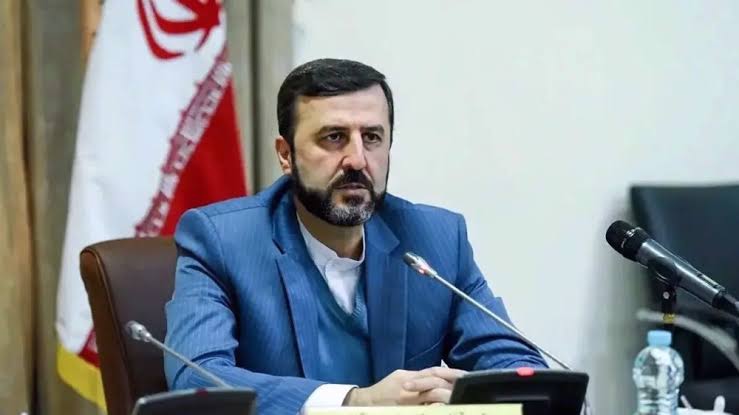
Iran’s Deputy Foreign Minister Kazem Gharibabadi said an agreement in principle had been reached on almost all outstanding issues, including new maritime entry and exit routes, with the arrangement expected to remain in force for between two and four months.
However, he stressed that the deal would not amount to a full reopening of the strategically vital waterway.
Tehran has maintained that the United States is not party to the agreement and has indicated that any broader normalisation will depend on Washington lifting its blockade on Iranian ports.
US President Donald Trump also said a breakthrough was close, telling a rally in Las Vegas that Washington was in contact with Tehran.
“We are talking,” he said. “Let’s see what happens.”
The uncertainty continued to weigh on global oil markets, with Brent crude rising 1% to US$80.21 a barrel as traders assessed the prospects for a resumption of normal oil flows through one of the world’s most important shipping routes.
Any agreement must still be approved by Iran’s Supreme Leader, Mojtaba Khamenei, whose reported injuries during the conflict with the US and Israel have complicated decision-making in Tehran.
President Masoud Pezeshkian acknowledged that communication with Khamenei remained “very difficult at the moment”.
The negotiations follow months of deadlock between Washington and Tehran over maritime security and the wider conflict.
Iran has insisted on tighter control over vessels transiting the strait and has continued to target ships it says have breached its rules.
A Hormuz agreement could pave the way for broader negotiations, including renewed talks over Iran’s nuclear programme, although major differences remain.