The Federal Government has warned that it will not tolerate employers who fail to prioritise the welfare, safety and wellbeing of dockworkers across Nigerian ports, as stakeholders intensify calls for a just and sustainable transition to greener port operations.
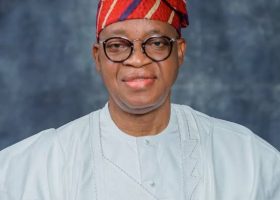
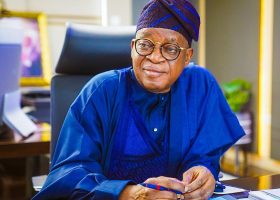
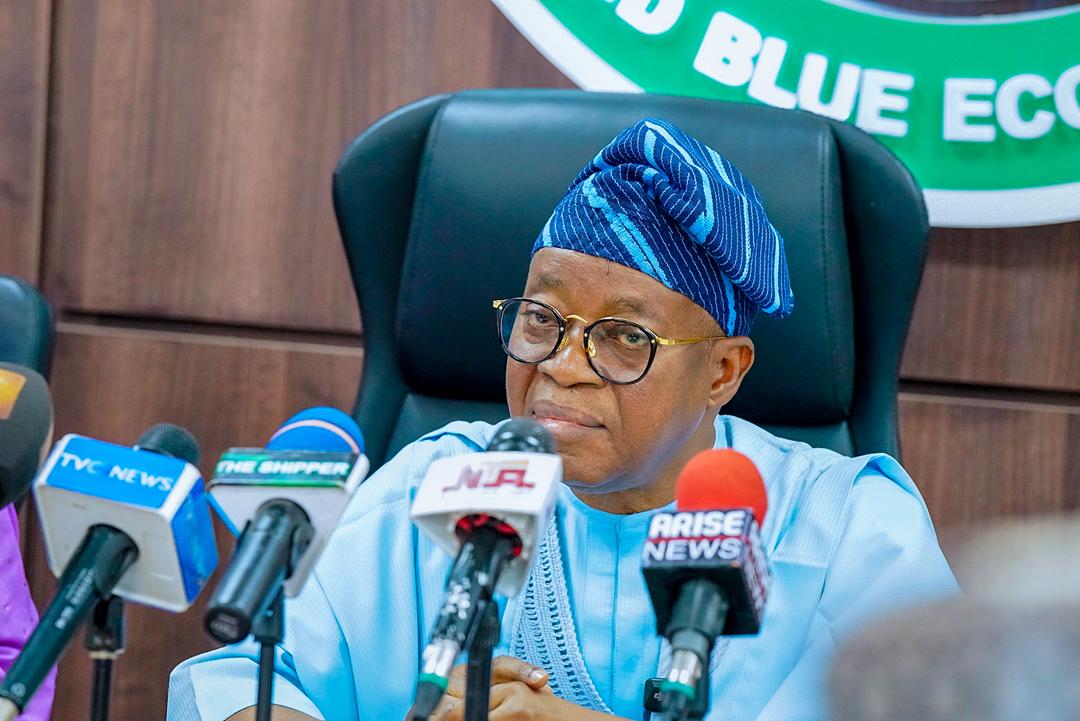
Minister of Marine and Blue Economy, Dr. Adegboyega Oyetola, gave the warning on Thursday at the 2026 Dockworkers’ Day in Lagos, organised by the Shipping Correspondents Association of Nigeria (SCAN). He was represented by the General Manager, Corporate Affairs at the Nigerian Ports Authority (NPA), Ikechukwu Onyemekara.
Speaking on the theme “Green Ports: Sustainable Practices for Dockworkers”, Oyetola described dockworkers as the backbone of port operations and central to the growth of Nigeria’s marine and blue economy.
He said the era of treating workers as expendable assets was over, stressing that employers must comply fully with labour regulations, provide safe working environments, ensure protective equipment, support skills development and uphold workers’ rights and dignity.
He warned that government would take a firm stance against any employer that neglects these obligations, adding that sustainable port development could only be achieved where workers are protected and empowered.
“As a government, we recognise the strategic importance of dock labour to the success of the marine and blue economy. The welfare, safety, dignity and productivity of dockworkers remain a priority for the Federal Ministry of Marine and Blue Economy.
“I wish to state unequivocally that the Federal Government will not tolerate any employer of dock labour who fails to place the welfare, safety and wellbeing of workers at the centre of their operations. Employers must comply with all applicable labour regulations, provide safe working environments, ensure the use of appropriate safety equipment, support skills development and uphold the rights and dignity of every dockworker,” Oyetola said.
The Minister also noted that ongoing port rehabilitation and modernisation projects presented an opportunity to build cleaner, more efficient and globally competitive ports.
Stakeholders at the event agreed that Nigeria’s port modernisation drive must be matched with investment in human capital and sustainability-focused reforms.
President of the Nigerian Chamber of Shipping, Aminu Umar, represented by the Chamber’s Director-General, Vivian Chimezie-Azubuike, said sustainability had become a key driver of investment and competitiveness in global maritime trade.
He stressed that future ports would be defined not only by infrastructure but also by people, urging the adoption of energy-efficient systems, renewable energy, smart technologies and stronger safety standards.
He warned that failure to integrate sustainability into ongoing projects could leave Nigeria with obsolete infrastructure in a rapidly decarbonising global economy.
Former President-General of the Maritime Workers Union of Nigeria and Deputy President of the Nigeria Labour Congress, Comrade Adewale Adeyanju, cautioned that the shift to green ports must not come at the expense of workers.
He called for a “just transition” anchored on training, job protection, social dialogue and safe working conditions, warning that environmental reforms must not lead to job losses or marginalisation of dockworkers.
Executive Secretary and Chief Executive Officer of the Nigerian Shippers’ Council, Barr. Pius Akutah, represented by Deputy Director of Trade Services, Hanna Adaba, said sustainability had become a global imperative and urged Nigeria to ensure its ports keep pace with international standards.
He reaffirmed the Council’s commitment to improving welfare, safety and working conditions within the maritime sector.
In his welcome remarks, SCAN President, Moses Ebosele, said dockworkers remain central to port operations and must not be left behind in the global shift towards sustainable maritime practices.
He commended ongoing efforts to modernise ports, including the Federal Government’s proposed $1 billion investment in Apapa and Tin Can Island ports, but stressed that infrastructure renewal must be matched with continuous training and improved welfare for workers.
Stakeholders collectively agreed that Nigeria’s ambition for greener, more competitive ports will depend on balancing environmental reforms with strong labour protections and sustained investment in human capital.