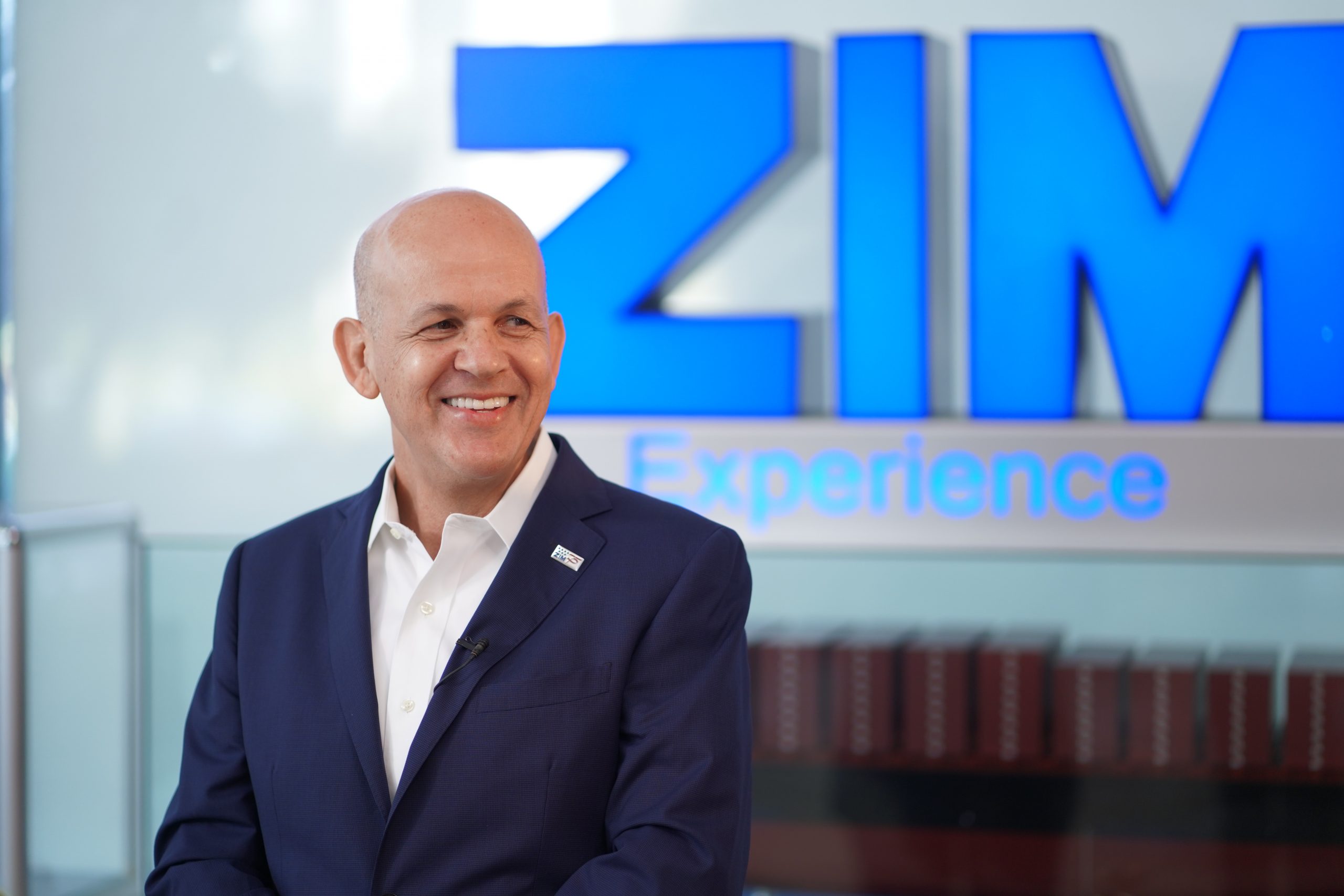
Zim Integrated Shipping Services has confirmed that its long-serving president and chief executive, Eli Glickman, is to step down, signalling a pivotal moment for the carrier as it navigates a high-stakes takeover bid and intensifying shareholder scrutiny.
In a regulatory filing, the New York-listed shipping line disclosed that Glickman formally notified the board of his decision on 15 April. He will remain in post during a six-month notice period while directors begin the search for a successor, ensuring continuity at a time of considerable strategic uncertainty.
The announcement caps a turbulent and consequential year for both Glickman and the company he has led since 2017. Only weeks ago, he offloaded shares in the carrier worth approximately $40 million, part of a broader sell-off by senior management that has raised eyebrows in the market. The disposals were executed at prices below the $35 per share valuation implied in a proposed acquisition by Hapag-Lloyd, fuelling speculation about internal sentiment towards the deal.
That offer, unveiled in February, would see the German liner giant acquire full ownership of Zim in a transaction valued at around $4.2 billion. The structure of the deal reflects the political and strategic sensitivities surrounding Israel’s national shipping interests.
It envisages the creation of a distinct entity retaining the Zim brand, a core fleet of 16 vessels serving Israeli routes, and the Israeli government’s “golden share”, while Hapag-Lloyd would take control of the remaining business, including charter arrangements covering 99 ships.
Shareholders are set to vote on the proposal at a special general meeting scheduled for 30 April, a decision that could redraw the competitive landscape of global container shipping.
The bid marks the first concrete outcome after months of intense speculation over Zim’s future ownership. Among the earlier twists was a failed privatisation attempt in August 2025 led by Glickman himself alongside Abraham Ungar.
That effort faltered amid investor resistance, ultimately triggering governance tensions that culminated in the appointment of two new board members in December to placate dissident shareholders wary of management-led manoeuvres.
Against this backdrop, Glickman’s impending departure adds another layer of intrigue to an already complex corporate drama, leaving investors to weigh leadership transition against the prospect of a transformative merger.