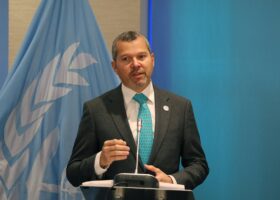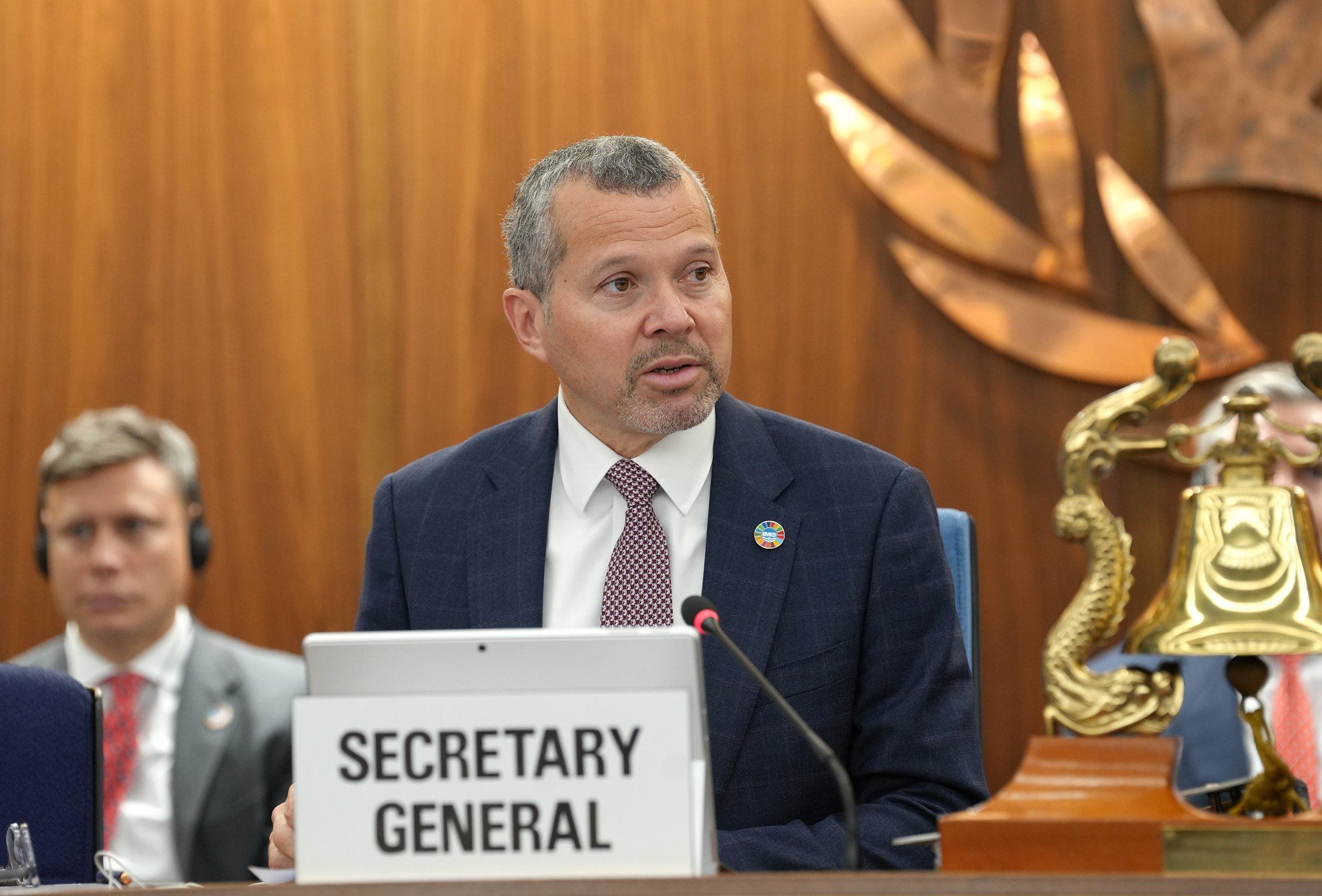
The International Maritime Organization (IMO) Council has endorsed Secretary-General Arsenio Dominguez for a second four-year term, signalling continued confidence in his leadership despite mounting challenges over shipping decarbonisation and growing security threats to global maritime trade.
The decision, announced on Wednesday during the Council’s 138th session in London, would extend Dominguez’s tenure from 1 January 2028 to 31 December 2031, subject to formal approval by the IMO Assembly in late 2027.
“I am deeply grateful to the Members of the Council and all Members of the Organization for their continued trust and support,” Dominguez said in a statement.
The endorsement comes at a critical juncture for the UN maritime agency, which is grappling with deep divisions over climate regulations while confronting an increasingly volatile security environment threatening commercial shipping and the lives of seafarers.
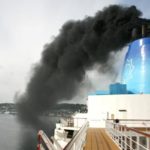
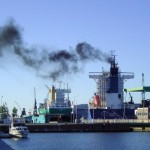
Dominguez’s first term has been marked by a major setback on shipping decarbonisation. In October 2025, IMO member states failed to formally adopt the organisation’s landmark Net-Zero Framework, a proposed package of global fuel standards and greenhouse gas emissions pricing measures designed to accelerate the sector’s transition away from fossil fuels.
The framework had secured initial approval in April 2025, but mounting opposition, particularly from the United States and several oil-producing countries, ultimately derailed its adoption.
Delegates voted to adjourn the extraordinary session of the Marine Environment Protection Committee for one year, leaving the proposed regulations in limbo.
The collapse of the adoption process dealt a significant blow to years of international negotiations aimed at establishing a unified regulatory framework for reducing emissions from international shipping.
Opponents, led by the United States and other oil-producing nations, strongly objected to the proposed emissions-pricing mechanism.
Supporters, however, maintained that a globally coordinated approach was essential to cutting the industry’s carbon footprint and preventing a fragmented regulatory landscape driven by competing regional rules.
In the aftermath, Dominguez defended the process, insisting that the framework remained on the table despite the failure to secure formal adoption.
A year on, the divisions remain unresolved. Negotiators are expected to reconvene later this month ahead of the 85th session of the Marine Environment Protection Committee, scheduled for 30 November to 3 December.
A special session to consider the framework’s adoption is provisionally scheduled for 4 December.
The forthcoming talks will provide another crucial test of the IMO’s ability to bridge deep geopolitical differences and secure agreement on one of the most consequential regulatory initiatives in the history of international shipping.
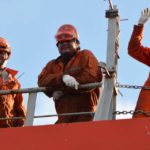
Beyond the climate agenda, the organisation is also facing an escalating maritime security crisis, with commercial vessels increasingly exposed to the dangers of armed conflict in strategically vital waterways.
According to the IMO’s latest figures, 129 maritime incidents have been confirmed in the Strait of Hormuz and the wider Middle East since the Iran war began in February. As of 5 November, 24 seafarers had been killed.
The incidents involve vessels that have been damaged, sunk or detained, highlighting the mounting risks facing civilian shipping in one of the world’s most strategically important maritime corridors.
The worsening situation has renewed concerns over freedom of navigation and the international community’s ability to safeguard merchant vessels and protect seafarers caught in the crossfire of geopolitical and military conflicts.